
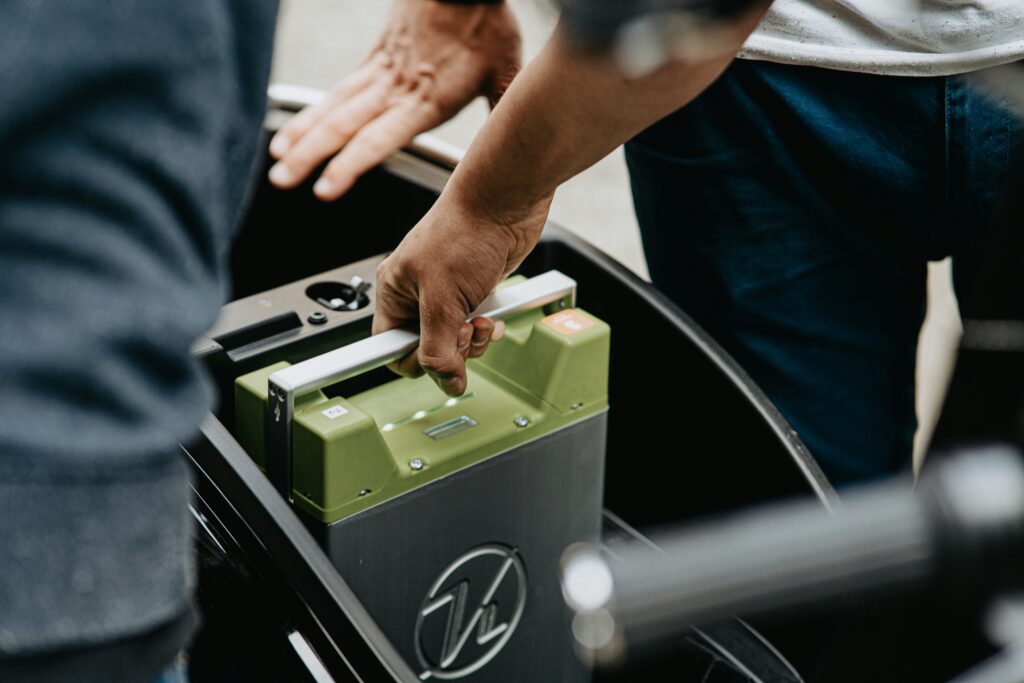
A new phase is beginning in the energy transition. While renewable energy investments continue to grow, the sector’s agenda is no longer limited to building new generation capacity.
When electricity is generated, how it is stored, under what conditions it is transferred to the grid, and how it is used in new consumption areas such as transportation are becoming increasingly decisive.
In some European electricity systems, drought-related pressure on hydropower generation is increasing the role of solar energy in balancing the system. Austria is reconsidering solar energy incentives together with storage and energy management solutions. While new battery technologies such as iron-air are attracting investment in long-duration energy storage, global manufacturers are commissioning new gigawatt-hour-scale production capacities.
In Türkiye, the growth of electric vehicles and charging infrastructure is adding a new and increasingly important consumption profile to the electricity system.
Beyond producing more electricity, how can we make the electricity we generate part of a more flexible, efficient and resilient energy system?
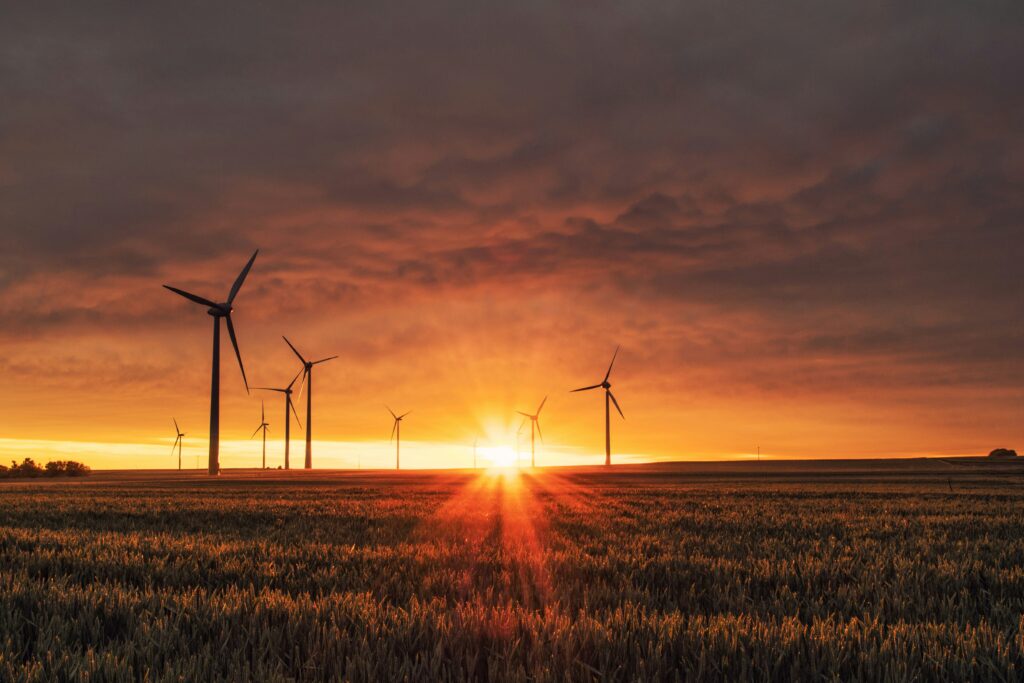
Electric Mobility Is Creating a New Area of Demand in Türkiye’s Energy System
The widespread adoption of electric vehicles is rapidly strengthening the connection between the energy and transportation sectors in Türkiye.
According to EMRA’s July 2026 data, the number of fully electric vehicles in Türkiye reached 464,873, while the total number of charging points reached 46,665. In July, approximately 3.33 million charging sessions were carried out at charging stations across the country. Another noteworthy indicator was that 65% of these sessions were carried out at green charging stations certified under YEK-G.
This growth shows that electric mobility is no longer an issue concerning only the automotive sector.
As the number of electric vehicles increases, the installed capacity of charging stations, the capacity of distribution grids, fast-charging systems, load management, energy storage and renewable energy integration are coming together within the same investment equation.
In particular, the expansion of high-power DC charging points and, in the coming period, heavy-duty commercial electric vehicles will make it increasingly important to plan electricity distribution infrastructure according to new consumption profiles.
For this reason, as e-mobility grows, new investment and business opportunities are emerging not only for the vehicle market, but also for charging equipment, transformers, energy storage systems, power electronics, smart grids and energy management software.
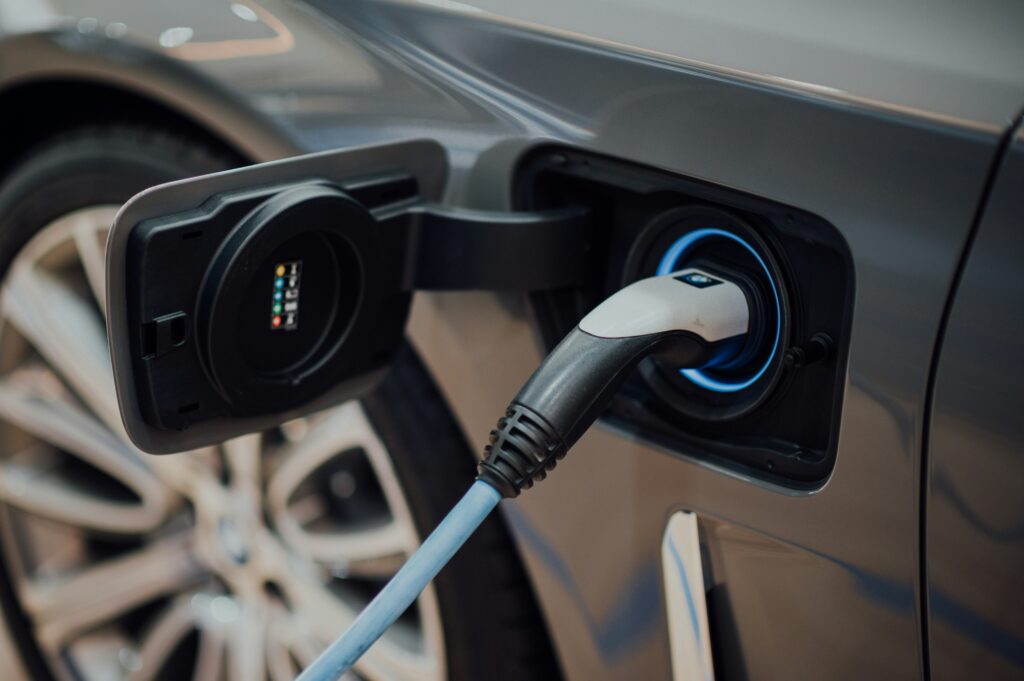
Solar Energy Is Balancing Declining Hydropower Generation in Some European Electricity Systems
Europe’s energy balance in the summer of 2026 presented one of the striking examples showing why renewable energy systems need greater flexibility.
Between 1 June and 15 August 2026, in ten European electricity systems with comparable hydropower and solar data, hydropower generation declined to 31.65 TWh, its lowest level in the past seven summers, while solar energy generation reached 84.44 TWh.
This picture shows the increasing contribution of solar energy to the electricity system during a period when the impact of drought on hydropower generation was significant.
However, the change is not taking place only in total generation volumes.
Solar energy generation, concentrated around midday, is also affecting the operating patterns of reservoir-based hydropower plants in particular. Shifting reservoir-based hydropower generation from the hours when solar generation is strong to the hours when evening demand increases, and directing the charging cycles of pumped-storage facilities toward midday, show how different energy sources can be used in a complementary manner.
Growth in generation capacity alone is not enough; a flexible electricity system in which different sources can complement one another is required.
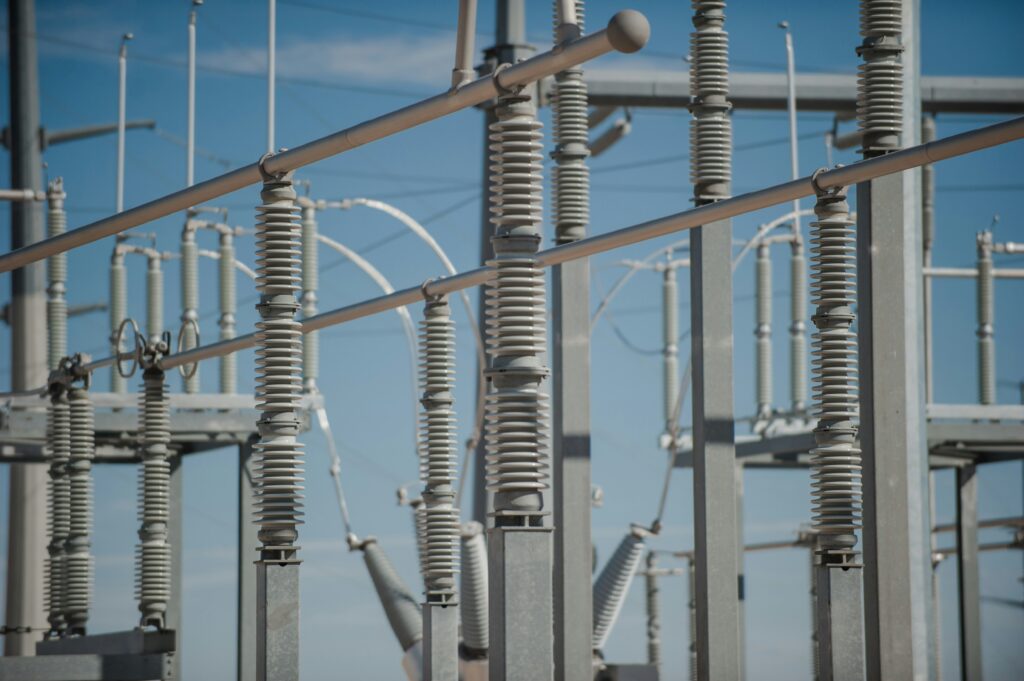
Energy Storage Is Moving to the Center of Incentive Policies
One of the noteworthy examples of this change comes from Austria.
Austria’s Ministry of Economy and Energy is working on a new approach that expands the focus of solar energy policies beyond simply installing new photovoltaic capacity toward storage, energy management and grid integration.
According to the initial results of a storage study commissioned by the ministry, up to 8 GW of market-driven battery capacity could be economically beneficial by 2030. The 8 GW figure here represents the potential identified in the study rather than a finalized national capacity target.
Under the new approach, increased support for battery storage systems, energy management solutions and storage investments to be retrofitted to existing solar energy facilities is on the agenda.
The basic logic of this approach is quite clear: storing the electricity generated during hours of high solar output and feeding it back into the system when needed.
This development points to an important change in renewable energy policies. In the new period, not only “how many megawatts of renewable energy capacity have been installed,” but also how much flexibility and system benefit this capacity provides to the grid is becoming increasingly important.
Therefore, battery storage systems are evolving from a technology that complements renewable energy into one of the important infrastructure components of the electricity system.
Gigawatt-Hour Scale Is Becoming a New Area of Competition in Battery Manufacturing
Alongside the race to develop technology, large-scale investments in production capacity are also continuing.
LG Energy Solution’s battery facility in Lansing, Michigan, has started production. Once the facility reaches full capacity, it is planned to have an annual production capacity of more than 35 GWh.
The facility will produce LFP battery cells for energy storage systems as well as NMC cells for electric vehicles. In this way, the same production infrastructure will serve both the energy storage and electric mobility markets.
The company also plans to establish more than 50 GWh of LFP/ESS production capacity in North America by the end of 2026.
This scale shows that energy storage is no longer a niche technology field, but has become one of the important growth areas of the global battery industry.
Battery factories are turning into strategic production centers that bring together automotive, renewable energy, electricity grid and industrial investments within the same supply chain.
However, a growing market also means stronger competition.
The application by German battery manufacturer Varta in July 2026 to initiate insolvency proceedings under self-administration was one of the examples showing this aspect of the sector. The company cited the structural financing gap expected from 2027 onward, as well as weakening demand, deteriorating market conditions, exchange-rate effects and the termination of cooperation by a major customer, among the factors affecting the process.
Therefore, the growth of the storage market does not mean that all manufacturers will benefit to the same extent. Technology cost, production scale, customer portfolio, financing capacity and position within the global supply chain are becoming increasingly decisive.
Hybrid Energy Models Are Transforming Existing Power Plants in Türkiye
Another reflection of the search for flexibility in Türkiye’s energy system can be seen in hybrid energy projects.
A 7.79 MWp auxiliary-source solar power project developed by ASUNIM at Akenerji’s 904 MW Erzin natural gas combined-cycle power plant has been completed and commissioned. ASUNIM also reports that it has completed more than 150 MW of hybrid solar power projects integrated with wind, hydropower and natural gas power plants to date.
The project, in which solar energy is integrated into existing generation infrastructure, shows that different generation technologies can be used together within the same power plant ecosystem.
Hybrid energy investments are emerging as one of the important options for making more effective use of existing energy infrastructure.
The use of existing power plant sites, grid connections and electrical infrastructure together with different generation sources shows that energy investments will not progress solely through building entirely new power plants from scratch.
A New Concept in the Energy Transition: System Flexibility
When recent developments are considered together, it can be seen that the concept of system flexibility is becoming increasingly prominent in the energy sector’s new investment period.
The growth of variable renewable energy sources such as solar and wind is increasing the need for energy storage. Developments in battery technologies make it possible to store electricity across different time scales, while the growing adoption of electric vehicles is adding a new consumption profile to the grid.
Hydropower, natural gas, solar energy, battery storage, electric vehicle charging infrastructure and smart energy management are increasingly being considered within the same system.
For this reason, generation + storage + grid + electrification + digital energy management are increasingly being addressed together in investment decisions in the new energy system.
This transformation is also increasing the importance of the electrical equipment sector. From transformers to inverters, from high-voltage systems to cables, from charging devices to energy management software and battery systems, a broad technology chain forms the fundamental components of the new energy infrastructure.
Let’s Meet at ICCI on 20–22 January 2027
Take your place at the 30th ICCI – International Energy & Environment Fair and Conference, to be held on 20–22 January 2027 at Yenikapı – Eurasia Show and Art Center, Istanbul, to discover firsthand the technologies, investments and collaborations shaping the future of energy.
The past, present and future of energy meet at ICCI.