
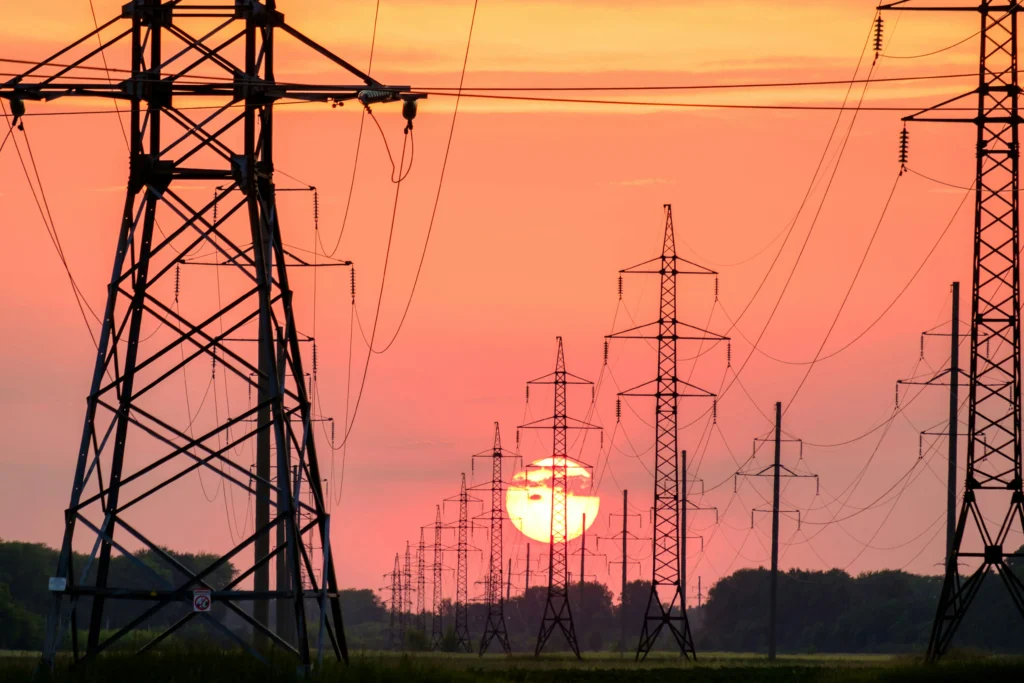
As May begins, the energy sector is entering a multi-layered transformation shaped not only by technological progress and capacity expansion, but also by geopolitical developments, supply chain competition, and the global climate agenda.
Türkiye’s entry into the COP31 presidency process, the renewed deepening of the global energy crisis, and the acceleration of the race for critical minerals are clarifying the sector’s new equation: energy is no longer just about production but it is about managing security, access, and transformation together. In this new era, those who can integrate these three dimensions will stand out.
COP31 and IEA Partnership: Climate Agenda and Energy Security in the Same Equation
The strategic partnership signed between Türkiye and the International Energy Agency (IEA) under the COP31 presidency signals that international cooperation in energy transition has entered a new phase.
At the Paris summit, Murat Kurum emphasized that “the most critical step in turning the crisis into an opportunity is accelerating the transition to clean energy,” while Fatih Birol described the process triggered by the Iran conflict as “one of the largest energy crises in history.”
These messages, delivered ahead of COP31 to be held in Antalya this November, make two points clear:
- The energy transition must accelerate
- Energy security is now an integral part of this transition
For the first time, decarbonization and energy security are converging this strongly within the same framework.
Critical Minerals: The Hidden Front of the Energy Transition
Türkiye’s forthcoming Critical Raw Materials strategy and the rare earth elements project in Eskişehir Beylikova point to a new competitive frontier in the energy transition. Globally, supply chain initiatives accelerating through US–EU cooperation are further increasing the strategic importance of this field.
Competition in energy technologies is no longer determined solely by production capacity, but increasingly by positioning in raw materials.
Energy Security Returns: The Strait of Hormuz Crisis and Market Impact
As tensions around the Strait of Hormuz enter a new phase, the United Arab Emirates’ decision to withdraw from OPEC and OPEC+ is reshaping market balances. Barclays has raised its 2026 Brent oil forecast from $85 to $100, citing the risk of prolonged disruptions.
At the same time, escalating tensions between the US and Iran and the suspension of negotiations are increasing uncertainty on the supply side. While the energy transition accelerates, risks in fossil fuel markets continue to define short-term dynamics.
Policy Shift in Europe: Crisis Intervention and the Return of Nuclear Energy
The European Commission’s package, including electricity tax reductions and coordinated gas storage measures in response to price increases triggered by the Iran conflict, demonstrates a shift toward more direct policy intervention in energy markets.
Meanwhile, Ursula von der Leyen’s change in rhetoric toward nuclear energy in March 2026 points to a more structural transformation. Crises may be temporary, but shifts in energy policy direction are lasting.
Türkiye’s Energy Position: International Perception and Macro Impact
The Guardian’s analysis positioning Türkiye ahead of Europe in energy initiatives highlights how the country’s energy transition is perceived internationally.
At the same time, the downgrade of Germany’s growth expectations from 1.3% to 0.6% clearly demonstrates the macroeconomic impact of energy costs. Energy policy has become a direct determinant of economic performance and competitiveness.
A New Energy Architecture: Electrification and Global Expansion
Minister of Energy and Natural Resources Alparslan Bayraktar’s announcement that Türkiye’s energy plans will be revised around electrification and digitalization signals a new phase in system design.
In parallel, the launch of Türkiye’s first overseas drilling operation off the coast of Somalia shows that its energy strategy is expanding globally. The new energy architecture is built on domestic integration and international resource access.
New Applications in the Field: Technology Deepens with Floating Solar
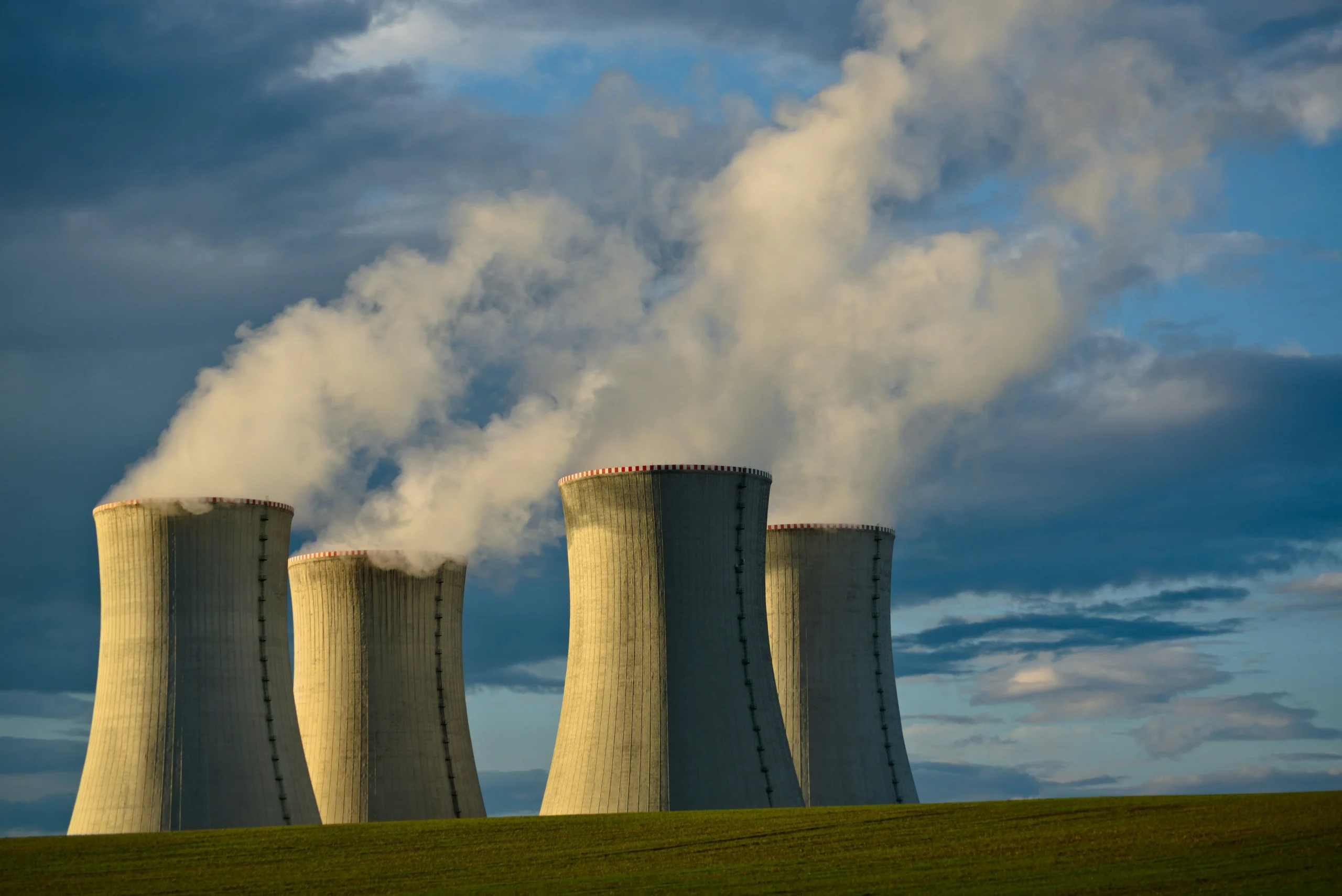
Smart Solar Technologies has received an advance payment for a €32 million project involving specially manufactured water-resistant solar panels and a turnkey floating solar power plant.
Floating solar is emerging as one of Türkiye’s new investment areas.
The Macro Picture: Production Resilience Despite the Energy Crisis
In April, exports increased by 22.3% to reach $25.4 billion, indicating sustained momentum in production despite pressure from energy costs.
Annualized exports reaching a record $275.8 billion demonstrate the resilience of Türkiye’s production capacity. While energy costs create pressure, industrial strength keeps the system competitive.
Follow All These Developments on a Single Platform: ICCI 2027
Join us at the 30th ICCI – International Energy and Environment Fair and Conference to explore key transformation areas such as renewable energy, energy storage systems, grid technologies, the nuclear ecosystem, and green hydrogen, together with decision-makers, manufacturers, EPC contractors, and solution providers.
Plan your visit for January 20–22, 2027, at the Yenikapı Eurasia Show and Art Center, where you can compare solutions on-site and evaluate all components of the energy sector under one roof.