
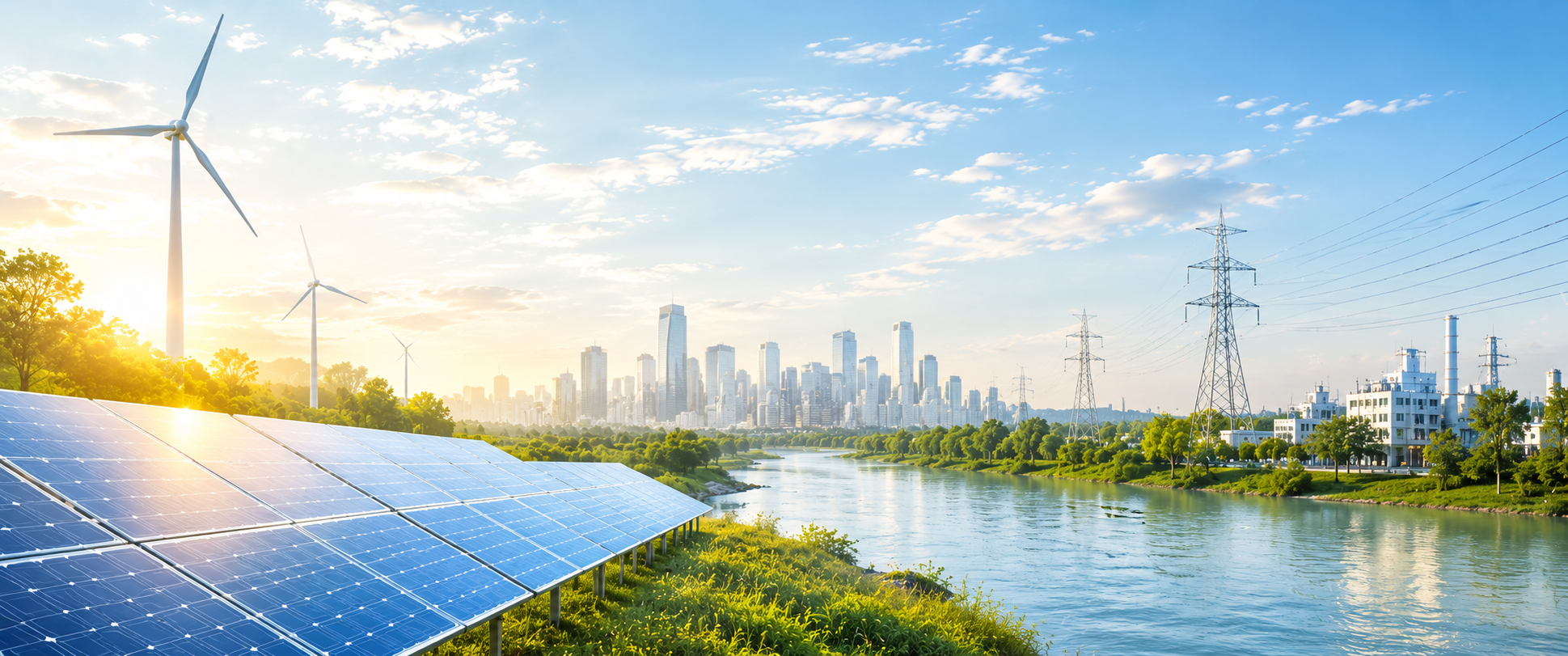
A New Wave of Renewable Energy Investment: Capacity, Offshore Wind and Regional Energy Planning
Türkiye’s renewable energy investment agenda is expanding with new capacity allocations and offshore wind projects, while across the Aegean, a new phase is beginning in
New Areas of Acceleration in the Energy Transition: Permitting, Building-Integrated Solar, Storage and Electrification
As Türkiye enters a new period aimed at coordinating zoning and licensing procedures for wind and solar energy projects more effectively, battery technologies worldwide are
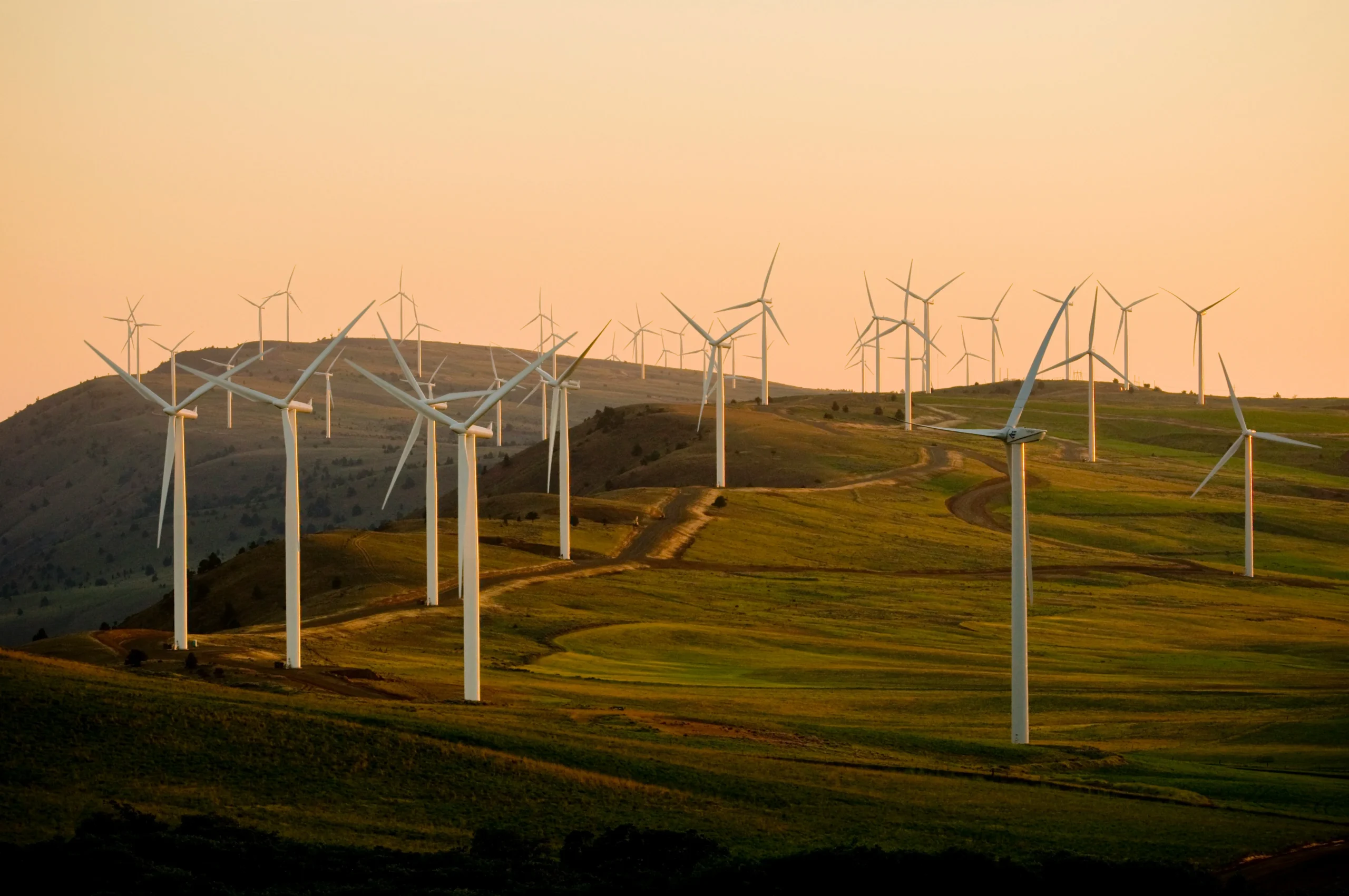
The New Agenda of Energy Transition: Carbon, Electrification, Grid, and Technology
July 2026 was a month of complementary developments in energy and climate policy. On July 17, 2026, the European Commission jointly announced a revision of
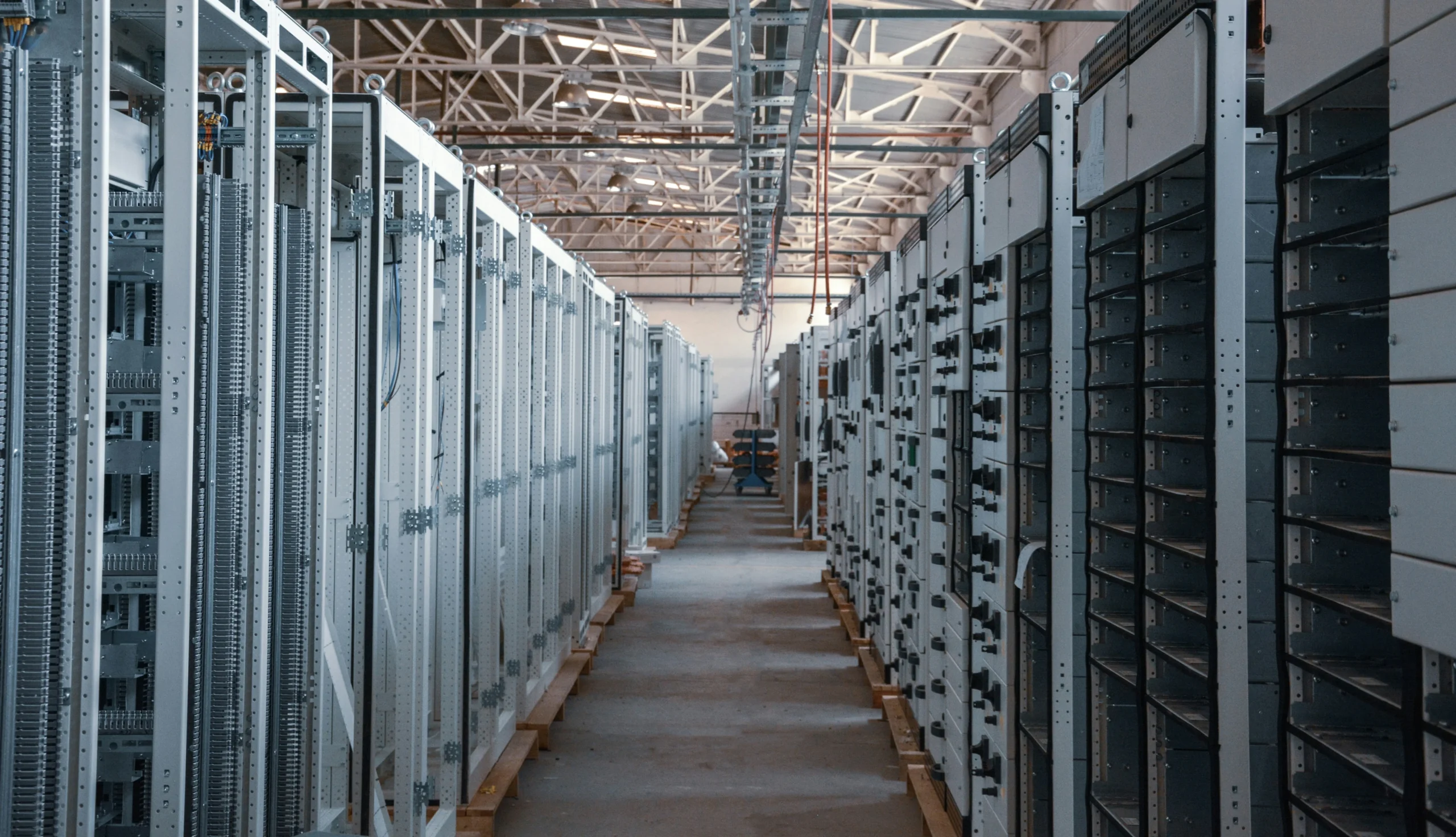
The New Dynamics of the Energy Transition: From Electric Vehicles to Grid Modernization
The global energy sector is entering a new phase of transformation. While renewable energy investments, energy storage systems, and energy security have dominated the industry’s
A New Era in the Energy Agenda
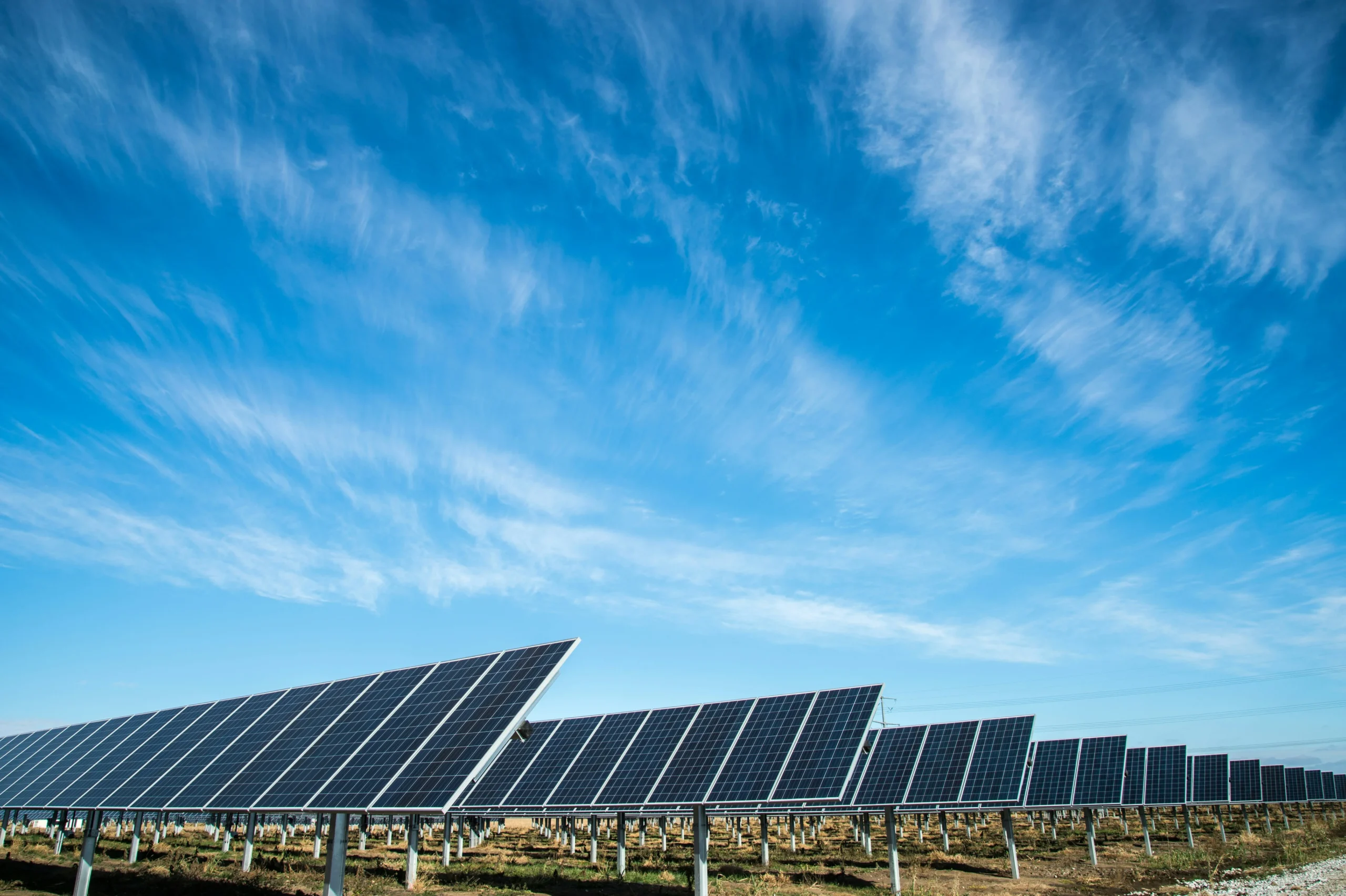
The global energy sector is entering a new era in 2026, one shaped not only by the energy transition, but also by energy security, digitalization,
A New Geopolitical Era in Energy: Power Corridors, Regional Trade, and Türkiye’s Ambition to Become an Energy Hub
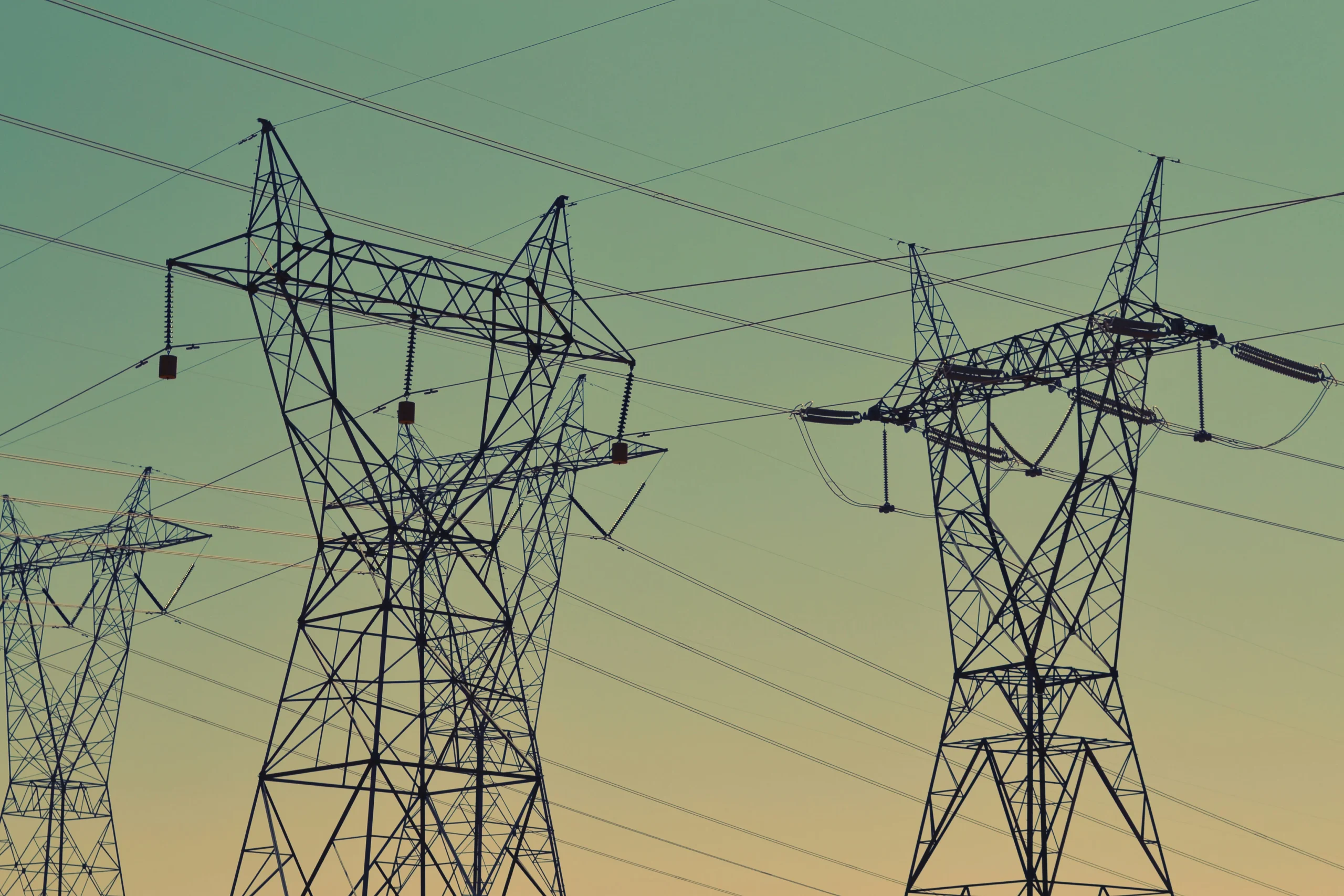
For many years, the energy sector was shaped primarily by production capacity, resource diversification, and security of supply. Recent developments in global energy markets, however,
The New Age of Electricity: Grids, Data Centers, and the Storage Race Are Reshaping the Energy Equation
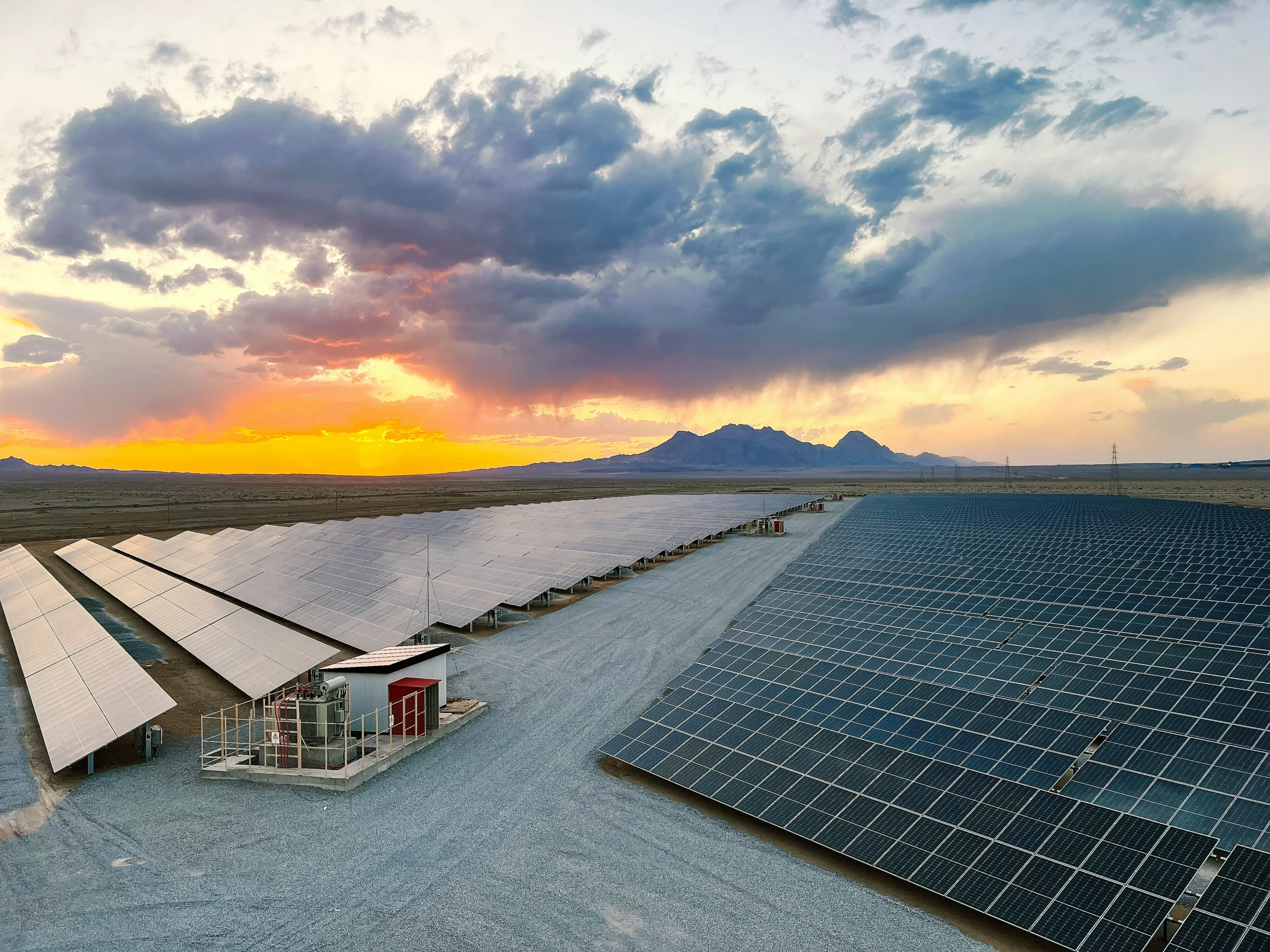
The energy sector is entering 2026 driven not only by renewable capacity growth, but also by accelerating electrification, the rapidly increasing energy demand of AI-powered
A New Era in Energy: Geopolitical Risks, Supply Competition, and Decarbonization Accelerate Simultaneously
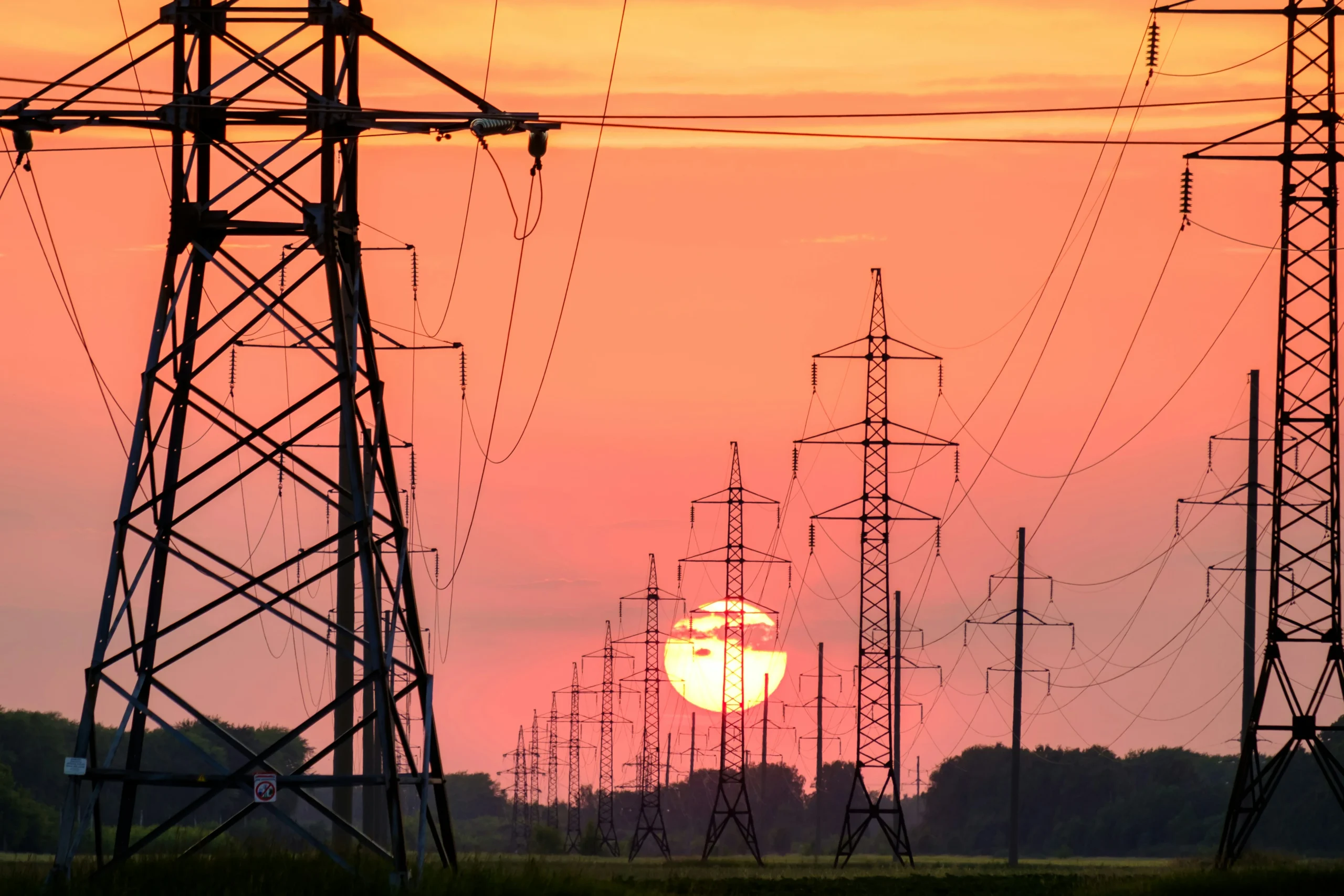
As May begins, the energy sector is entering a multi-layered transformation shaped not only by technological progress and capacity expansion, but also by geopolitical developments,
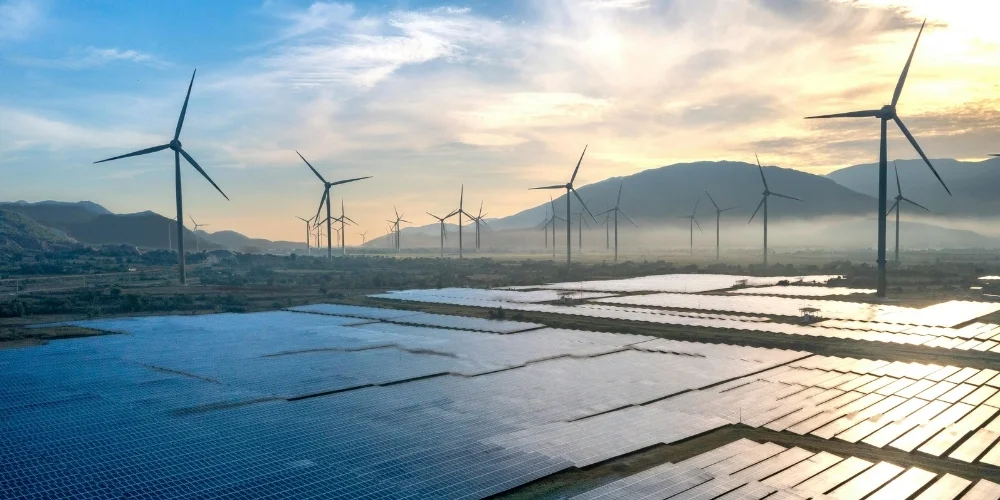
Installed Capacity Is Rising; the Winners Will Be Defined by Uninterrupted Power and Grid Resilience
Renewable energy targets are gaining momentum; storage projects are moving to execution, nuclear commissioning timelines are becoming clearer, and green hydrogen is shifting from an
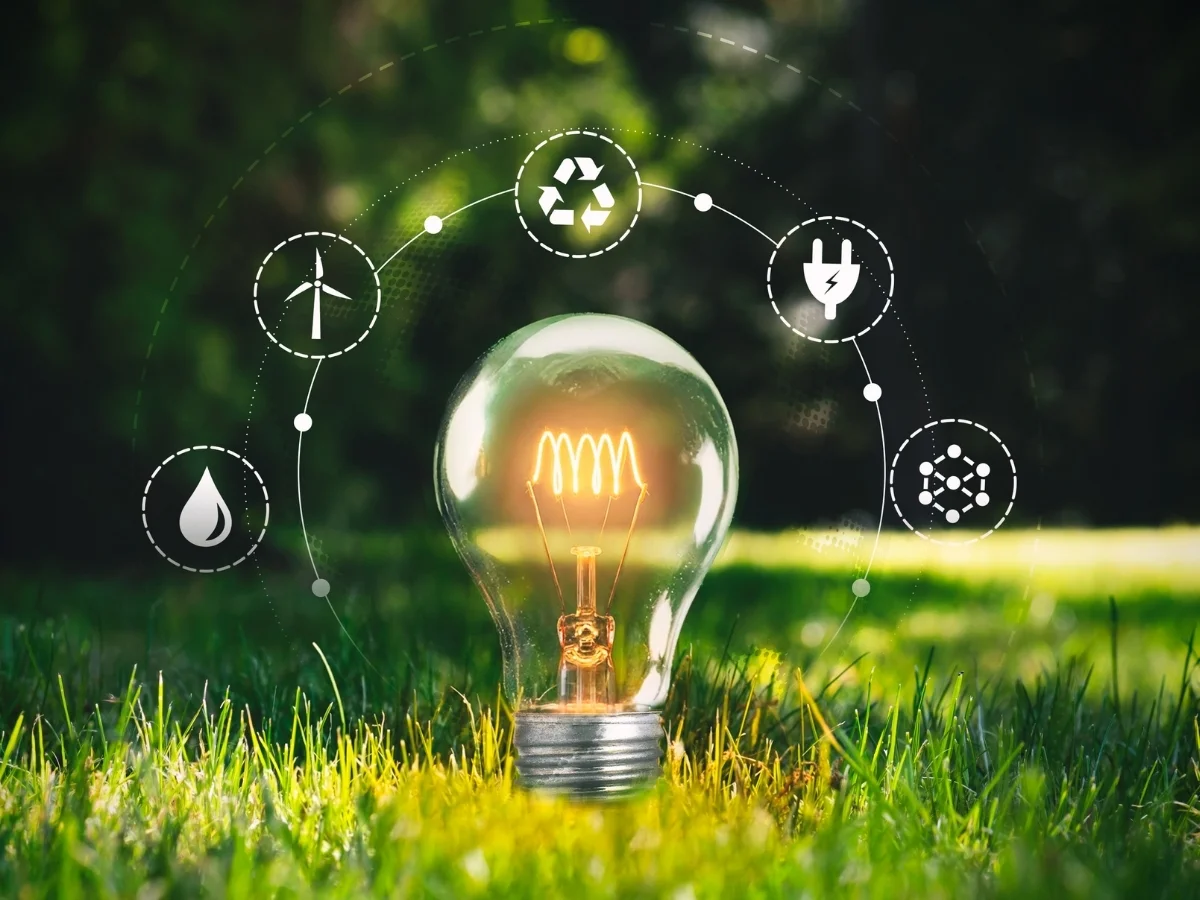
From Grid Flexibility to Facility Continuity: New Trends in Energy Storage Systems
In the energy transition, “energy storage” is no longer discussed merely under the heading of “backup power.” On one hand, as renewable sources such as
The global energy sector is entering a new era in 2026, one shaped not only by the energy transition, but also by energy security, digitalization, and infrastructure investments. The rapid increase in electricity demand driven by artificial intelligence, the growing strategic importance of grid investments, the resurgence of nuclear energy, and the expansion of energy storage technologies are redefining industry priorities. At the same time, geopolitical developments are prompting countries to take new measures to strengthen energy supply security.
In this edition of Energy Chronicle, we examine five critical developments that have recently emerged on the global and Turkish energy agenda and are expected to influence investment decisions and shape the future of the sector.
Artificial Intelligence Becomes the Energy Sector’s New Demand Driver
For decades, the growth of the energy sector was driven by industrial production, population growth, and electrification. However, as of 2026, a new center of demand has emerged: AI-powered data centers.
According to recent assessments by the International Energy Agency (IEA), global electricity consumption by data centers is expected to nearly double by 2030. As generative AI applications continue to expand, hundreds of megawatts of new data center campuses are being planned across the United States, Europe, and the Gulf region.
In the United States, data centers are projected to account for nearly 10% of total electricity consumption within the next few years. States such as Virginia, Texas, and Arizona are revisiting grid planning strategies, while utilities are accelerating investment programs for new natural gas plants, utility-scale solar projects, and energy storage facilities.
Gulf countries are also actively participating in this race. The United Arab Emirates and Saudi Arabia have placed AI-focused data center investments at the heart of their national development strategies and are reshaping their energy infrastructure accordingly.
In Türkiye, data center capacity is expected to grow rapidly in the coming years. The increasing concentration of data center investments, particularly in Istanbul, will create a new electricity demand profile. This trend will highlight not only generation investments but also grid modernization, energy storage solutions, and flexible generation technologies.
The energy sector must now meet the needs not only of factories, but also of algorithms.
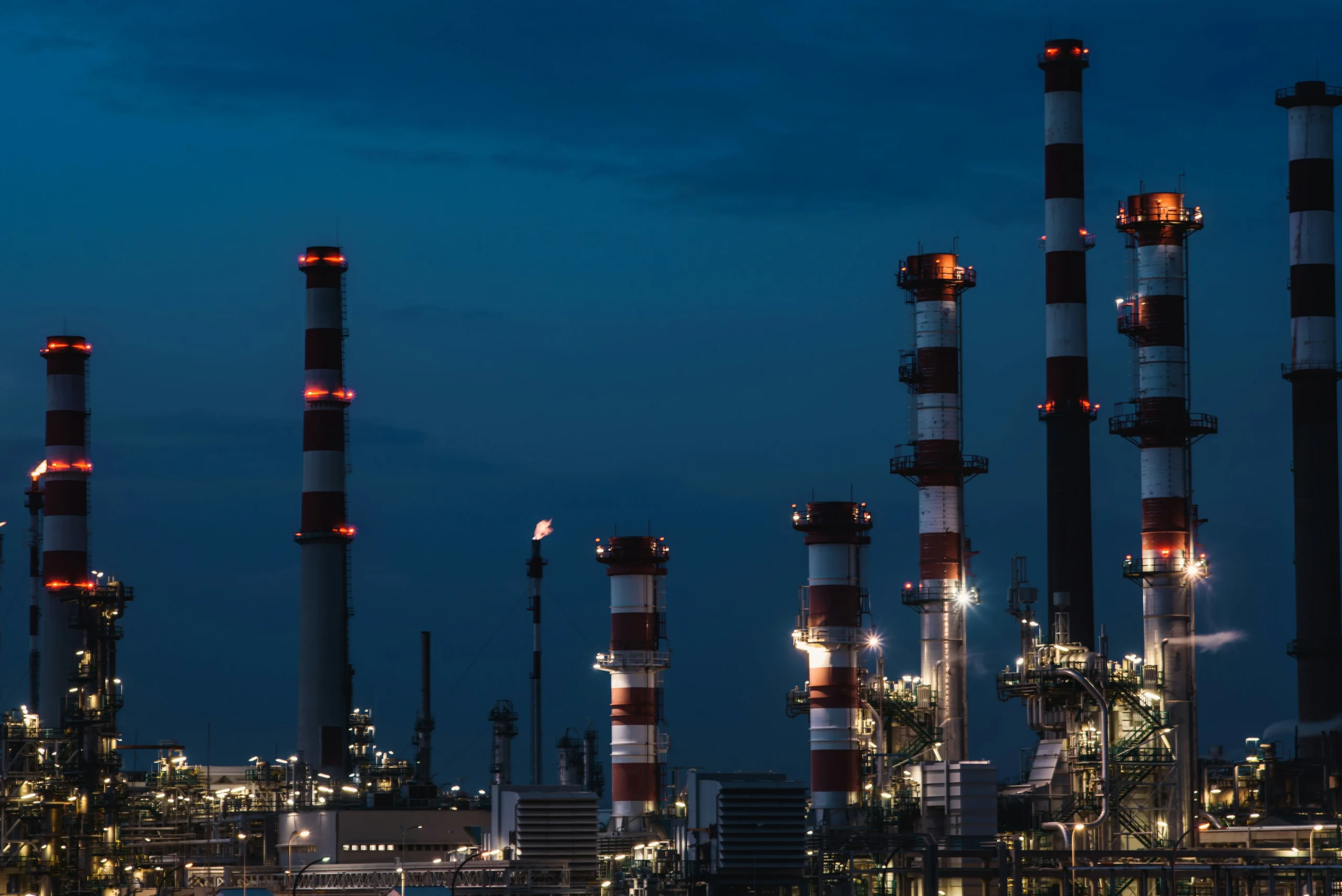
The New Bottleneck of the Energy Transition: Power Grids
While renewable energy investments have reached record levels in recent years, the industry is facing a new reality: generating electricity alone is no longer enough.
In many countries, the challenge is no longer generation capacity, but rather the ability to connect and transmit that energy through the grid.
Across the European Union, the total capacity of renewable energy projects awaiting grid connection has reached thousands of gigawatts. In countries such as Germany, the United Kingdom, and the Netherlands, project developers often face years-long waits for grid connection approvals.
Data centers are adding further pressure to electricity networks. As AI applications become increasingly widespread, energy-intensive data centers are stretching the limits of existing transmission and distribution infrastructure.
A similar picture is emerging in Türkiye. Rapid growth in solar and wind investments has created a need for additional transmission capacity. As the country’s installed power capacity exceeds 125 GW and renewable sources account for more than 60% of total installed capacity, the need for grid expansion becomes increasingly apparent.
To sustain this growth, investments in new transmission lines, digital grid applications, energy storage systems, and smart grid technologies are becoming critical.
The success of the energy transition will no longer be measured solely by how many megawatts are generated, but by how effectively that energy is integrated into the system.
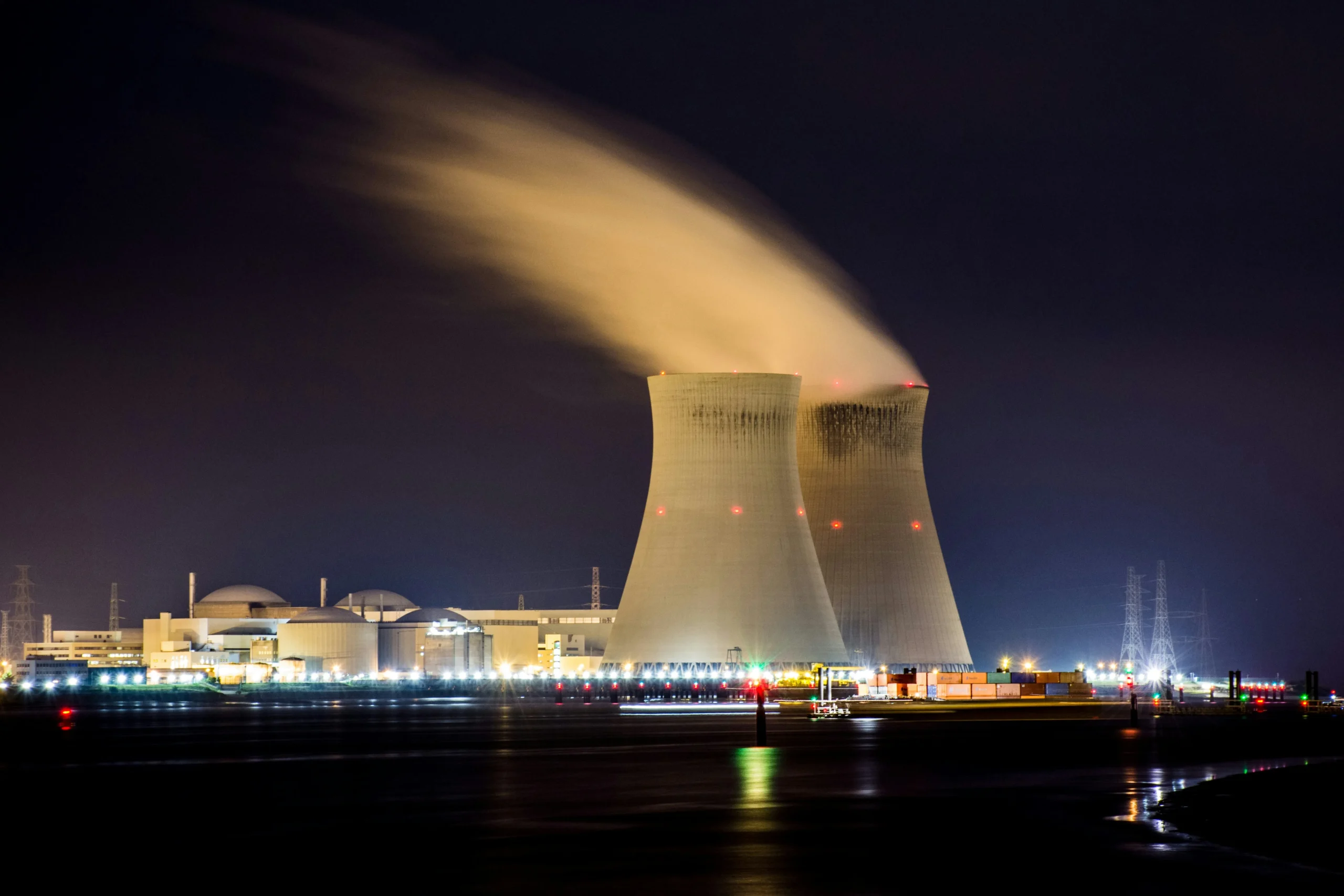
Is Nuclear Energy Entering a New Growth Cycle?
Once considered likely to remain outside the energy transition, nuclear power has returned to the center of the global energy agenda.
The need for carbon-free baseload generation, concerns over energy security, and rising electricity demand driven by artificial intelligence are encouraging many countries to reassess nuclear investments.
Today, approximately 440 nuclear reactors are operating worldwide, while more than 60 new reactors are under construction. China, India, and South Korea continue to accelerate new capacity investments, while political attitudes toward nuclear energy are shifting noticeably across Europe.
One of the most significant recent developments is the growing interest in Small Modular Reactors (SMRs). Due to their lower capital costs and shorter construction timelines, governments and technology companies alike are increasingly turning their attention to this field.
The fact that major data center operators are evaluating direct electricity procurement models from nuclear energy sources is regarded as an important indicator of the sector’s future direction.
In Türkiye, efforts continue toward commissioning the first unit of the Akkuyu Nuclear Power Plant, while discussions regarding second and third nuclear power plant projects remain ongoing.
In the coming years, Türkiye is expected to define its position not only regarding large-scale reactors but also concerning next-generation modular nuclear technologies.
Are Energy Storage Technologies Becoming the Key to Renewable Energy?
For many years, investment decisions in the energy sector focused primarily on generation capacity. Today, however, the key question has changed:
Instead of asking, “When will we generate electricity?”, investors are increasingly asking, “When will we use the electricity we generate?”
This shift is placing energy storage at the center of the energy transition.
According to BloombergNEF, global installed energy storage capacity is expected to multiply significantly in the coming years. Falling lithium-ion battery costs are making large-scale storage projects increasingly attractive from an economic perspective.
The United States, China, and Europe currently represent the largest energy storage markets. China alone accounts for a substantial share of global storage capacity, while in the United States, most new solar projects are now planned together with battery storage systems.
Türkiye is also experiencing a remarkable transformation in this field. Recently announced storage-integrated renewable energy projects demonstrate the strong investment appetite within the market.
In the new energy landscape, the competitiveness of energy projects will depend not only on generation capacity but also on storage capabilities.
For this reason, energy storage technologies are widely regarded as one of the most critical investment areas of the coming decade.
From Energy Transition to Energy Security: Are Priorities Shifting?
In recent years, the primary focus of the energy sector was achieving net-zero targets and reducing carbon emissions. However, global developments in 2026 have brought energy security back to the forefront.
Rising geopolitical tensions in the Middle East, developments around the Strait of Hormuz, and risks affecting LNG trade routes are once again drawing the attention of energy markets.
Approximately 20% of global oil trade passes through the Strait of Hormuz, making every development in the region highly influential on energy prices.
Following the Russia–Ukraine war, European countries have been redesigning their energy security strategies, increasing investments in LNG terminals, natural gas storage facilities, and alternative supply sources.
Türkiye, meanwhile, continues to strengthen its role as a regional energy corridor thanks to its strategic geographic location. Infrastructure projects such as TANAP, TurkStream, and LNG investments remain key pillars supporting the country’s ambition to become a regional energy hub.
Today, a new balance is emerging in energy policymaking. While decarbonization goals remain important, countries are also prioritizing continuity of supply and system reliability.
The new question facing the energy sector is clear:
Can energy systems be clean, affordable, and secure at the same time?
The energy agenda of 2026 is increasingly being shaped by the search for an answer to this question.
Follow All These Developments on a Single Platform: ICCI 2027
The energy sector is undergoing a profound transformation driven by electrification, data centers, grid resilience, energy storage systems, and digitalization. From energy trading and interconnection projects to natural gas infrastructure and electricity corridors, all the topics shaping the future of the industry will come together at the 30th ICCI – International Energy and Environment Fair and Conference, Türkiye’s largest energy gathering that unites all stakeholders under one roof.
Taking place on 20–22 January 2027 at the Yenikapı Eurasia Show and Art Center, ICCI 2027 will bring together energy producers, transmission and distribution companies, technology providers, investors, and decision-makers to discuss the sector’s next chapter.
Join ICCI 2027 to stay ahead of the developments shaping the future of energy and to build valuable new business partnerships.
For many years, the energy sector was shaped primarily by production capacity, resource diversification, and security of supply. Recent developments in global energy markets, however, have significantly broadened the industry’s focus. Today, countries are competing not only in energy generation but also in how energy is transported across borders, how trade corridors are established, and how regional energy flows are managed.
Türkiye’s recent energy diplomacy initiatives, including the proposed new electricity corridor with Azerbaijan, long-term evaluations regarding the transportation of Turkmen natural gas to regional markets and Europe via Türkiye, and investments in interconnection infrastructure aimed at strengthening Europe’s energy security, demonstrate that connectivity infrastructure is becoming increasingly strategic within the energy sector. This transformation suggests that competitive advantage in energy is no longer determined solely by generation capacity, but also by the strength of the infrastructure that enables energy trade.
Electricity Corridors Are Emerging as a New Instrument of Energy Trade
One of the most notable recent developments is the new approach to electricity transmission and trading links between Türkiye and Azerbaijan. According to statements from the Ministry of Energy and Natural Resources, efforts are underway to develop new interconnection and transmission models that could support regional electricity trade, similar to the role TANAP has played in natural gas transportation.
On a global scale, analyses by the World Bank and the International Energy Agency (IEA) indicate that regions with strong cross-border electricity trade can benefit from:
- System costs that may be 10–20% lower under certain scenarios;
- Renewable energy integration that can be up to 10–25% more efficient in specific markets.
In Europe, existing interconnection infrastructure increases both cross-border electricity trading capacity and grid flexibility. The European Union considers further strengthening this capacity by 2030 a strategic priority. As renewable energy investments continue to grow, electricity trading is entering a new phase. Countries with high solar and wind generation capacity are increasingly focusing on infrastructure that enables surplus electricity to be exported to neighboring markets.
This trend is creating new opportunities that support:
- Cross-border electricity trade;
- Transmission infrastructure investments;
- Energy security;
- Regional energy integration;
- The deepening and expansion of energy markets.
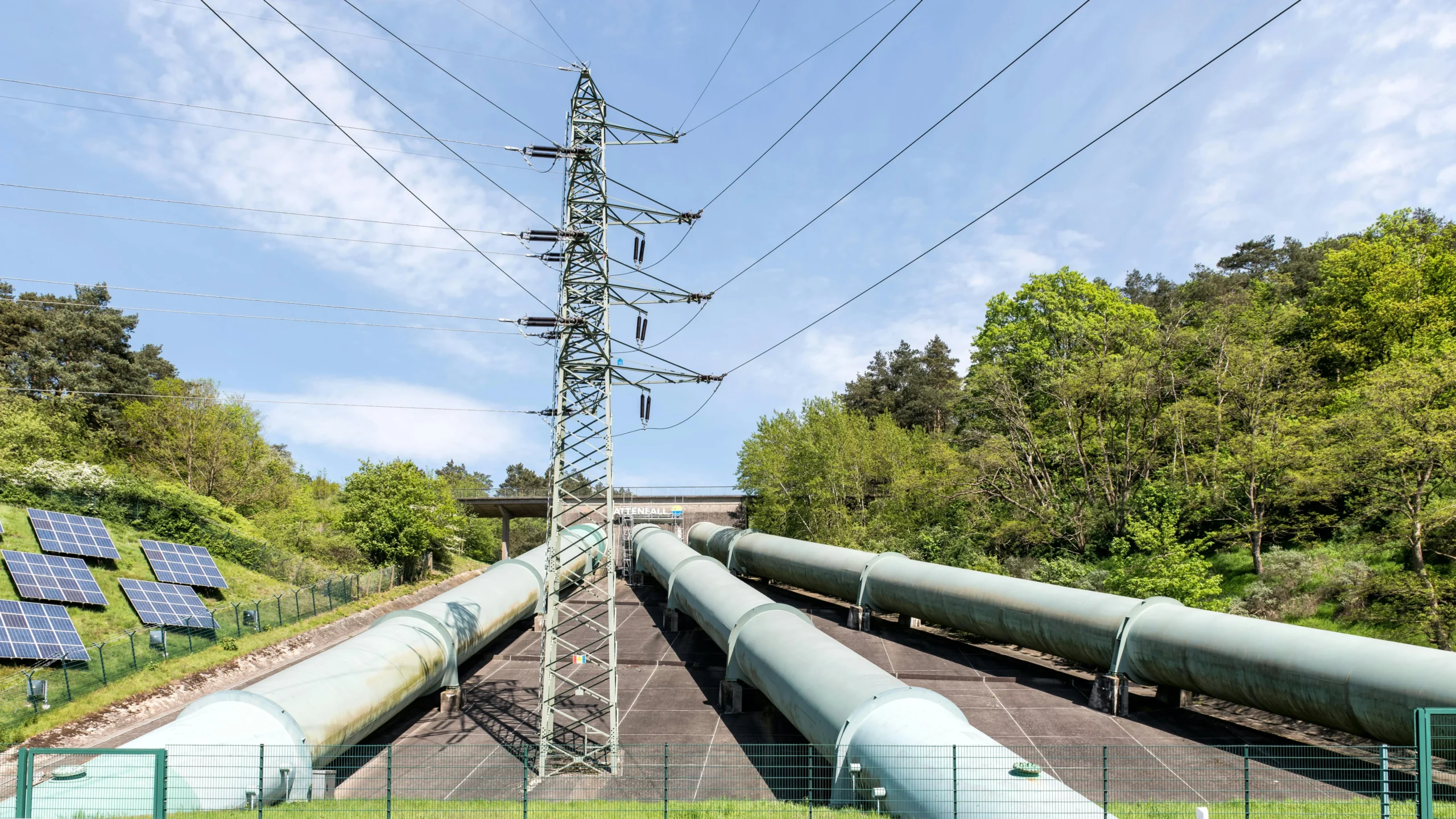
Interconnection Investments Remain High on Europe’s Agenda
The price volatility and supply security concerns experienced in European energy markets in recent years have further highlighted the importance of cross-border electricity connections. To strengthen energy security and accelerate renewable energy integration, the European Union has made interconnection projects a strategic priority.
Today, energy security for many European countries is measured not only by domestic generation capacity but also by the strength of their electricity links with neighboring nations.
Through interconnection investments, countries can:
- Enhance security of supply;
- Reduce price volatility;
- Facilitate renewable energy integration;
- Expand electricity trading volumes.
As energy systems become increasingly interconnected, transmission infrastructure is emerging as one of the most critical pillars of the energy transition.
Regional Natural Gas Trade and Türkiye’s Strategic Position
Alongside developments in electricity trade, regional natural gas networks are also being reshaped. Long-term assessments regarding the transportation of Turkmen natural gas to Türkiye—and potentially onward to other markets—as well as capacity expansion efforts along existing gas corridors, are among the key factors supporting Türkiye’s ambition to become a regional energy hub.
Today, Türkiye offers:
- LNG and FSRU infrastructure: Five active entry points (including onshore terminals and floating storage and regasification units) with approximately 161 million Sm³/day regasification capacity;
- Underground natural gas storage: Approximately 5.8 billion Sm³ of total storage capacity through the Silivri and Lake Tuz facilities;
- International pipeline connections: Major supply routes from Russia, Azerbaijan, and Iran;
- Strategic geographic location: A natural energy transit corridor linking Europe, the Middle East, the Caucasus, and Central Asia.
Becoming a hub in energy trade involves far more than serving as a physical transit route. It also requires playing an active role in price formation, trading volumes, and the management of regional energy flows.
Energy Diplomacy Is Shaping New Investment Opportunities
Investment decisions in the energy sector are increasingly influenced not only by technical and economic considerations but also by regional cooperation, international agreements, and energy diplomacy dynamics.
The growing importance of energy security, supply diversification, and regional integration is creating new opportunities in areas such as:
- Transmission systems;
- High-voltage infrastructure;
- Substations;
- Energy storage solutions;
- Digital energy trading platforms.
As a result, energy technologies and infrastructure investments are becoming more strategic than ever before.
The New Competitive Advantage: Connecting Energy, Not Just Producing It
Competition in the energy sector is no longer defined solely by the ability to generate more energy. Increasingly, success depends on the ability to transport energy safely, efficiently, and reliably across markets.
Electricity corridors, interconnection projects, natural gas trading networks, and energy diplomacy will continue to be among the key forces shaping growth and development in the energy sector in the years ahead.

Follow All These Developments on a Single Platform: ICCI 2027
The energy industry is undergoing a profound transformation driven by electrification, data centers, grid resilience, energy storage systems, and digitalization. From energy trade and interconnection projects to natural gas infrastructure and electricity corridors, all the topics shaping the future of the industry will come together at the 30th ICCI – International Energy and Environment Fair and Conference, Türkiye’s largest gathering of energy stakeholders.
Taking place on 20–22 January 2027 at the Yenikapı Eurasia Show and Art Center, ICCI 2027 will bring together energy producers, transmission and distribution companies, technology providers, investors, and decision-makers to discuss the next chapter of the energy sector.
Join ICCI 2027 to stay informed about the developments shaping the future of energy and to explore new business and partnership opportunities across the industry.
The energy sector is entering 2026 driven not only by renewable capacity growth, but also by accelerating electrification, the rapidly increasing energy demand of AI-powered data centers, the scaling of energy storage investments, and mounting pressure on grid security. As of 2026, Türkiye’s total installed electricity capacity has reached the 123–125 GW range, while the combined share of solar and wind power in total installed capacity has risen to 33%. The overall share of renewable energy sources has now exceeded 62%.
Globally, according to projections by the International Energy Agency (IEA), electricity consumption by data centers is expected to more than double by 2030, reaching approximately 1,000 TWh. In this new phase, competition is no longer limited to energy generation alone; it now revolves around how electricity is transmitted, balanced, stored, and managed without interruption.
Electricity Demand and Installed Capacity Are Growing Simultaneously in Türkiye
Türkiye’s energy ecosystem is experiencing one of the fastest capacity expansion periods in recent years. By 2026, total installed electricity capacity has reached the 123–125 GW range, while the combined capacity of solar and wind energy has surpassed 40 GW. This growth demonstrates that renewable energy sources are no longer merely alternatives, but have become one of the main pillars of the energy system.
However, the most striking aspect of this transformation is no longer just capacity growth, but the structural change in electricity demand itself. Investments in electric vehicles, electrification projects in organized industrial zones, energy-intensive manufacturing facilities, and data center developments are all increasing Türkiye’s baseload power demand.
In particular, new high-consumption grid connection requests are making issues such as grid capacity and system flexibility far more visible within the energy sector. This reveals a new reality: the key question is no longer “how much capacity can be installed,” but rather how flexibly, efficiently, and reliably the system can deliver electricity.

Data Centers Are Becoming the Energy Sector’s New Major Consumer
According to the latest analyses by the International Energy Agency (IEA), global data center electricity consumption, currently around 460 TWh, is expected to more than double by 2030, reaching nearly 1,000 TWh. This represents an entirely new energy demand equivalent to Japan’s current annual electricity consumption.
The rapid expansion of generative AI technologies is transforming data centers from purely digital infrastructure into strategic energy consumers. Large-scale AI systems require not only high processing power, but also uninterrupted energy access, strong grid connectivity, and highly reliable power infrastructure.
This transformation is creating new investment opportunities not only in the US and Europe, but also in Türkiye. The accelerating wave of data center investments in Türkiye is generating fresh demand across energy infrastructure, transformer systems, UPS solutions, microgrid applications, and backup power systems.
Key investment areas include:
- High-voltage connection infrastructure
- Data center-focused microgrid systems
- Grid-scale battery storage solutions
- UPS and uninterrupted power infrastructure
- Transformer and power electronics investments
- Cooling and energy efficiency technologies
In brief, data centers are no longer solely a technology sector issue; they are rapidly becoming one of the energy sector’s new growth engines.
Grids Are Emerging as the New Bottleneck
As renewable energy capacity expands, the center of gravity in energy systems is shifting from generation to integration. Across many regions in Europe and the United States, the primary limiting factor for new solar and wind projects is no longer generation investment itself, but grid connection and transmission capacity. A similar trend is becoming increasingly visible in Türkiye.
In particular, the following areas are becoming critical components of energy investments:
- Connection capacity
- Transmission infrastructure
- Frequency management
- System flexibility
- Power quality
The recent focus of the World Bank and European financial institutions on HVDC and grid modernization investments further supports this transition.
Key focus areas in this new phase include:
- HVDC transmission projects
- Smart grid systems
- Demand response applications
- EMS/BMS software infrastructure
- Inverter and power electronics ecosystems
- Digital grid management solutions
The value of an energy system is now measured not only by megawatt capacity, but by how flexibly, digitally, and resiliently the system can be managed.
Energy Storage Systems Are Reaching a New Scale in 2026
Türkiye’s energy storage ecosystem is entering a new era, moving beyond the discussion phase into real-world implementation. The total scale of storage-linked projects has now surpassed 30 GW. Throughout 2026, hybrid and standalone storage projects totaling several thousand megawatts are expected to move into the physical investment stage.
The significance of this growth goes far beyond simple capacity expansion; it reflects a transformation in the role of storage within the energy system itself.
Battery systems are now becoming active operational assets in areas such as:
- Frequency regulation
- Ancillary services
- Peak load management
- Demand optimization
- Grid flexibility
At the same time, competition within the sector is evolving. While battery cell costs dominated the early stages, today the real competition centers around:
- Integration capabilities
- Software management
- Fire safety
- Thermal control
- Performance optimization
- Grid compatibility
This shift is creating an entirely new supply chain economy in areas such as inverters, EMS/BMS systems, testing and certification, and power electronics.
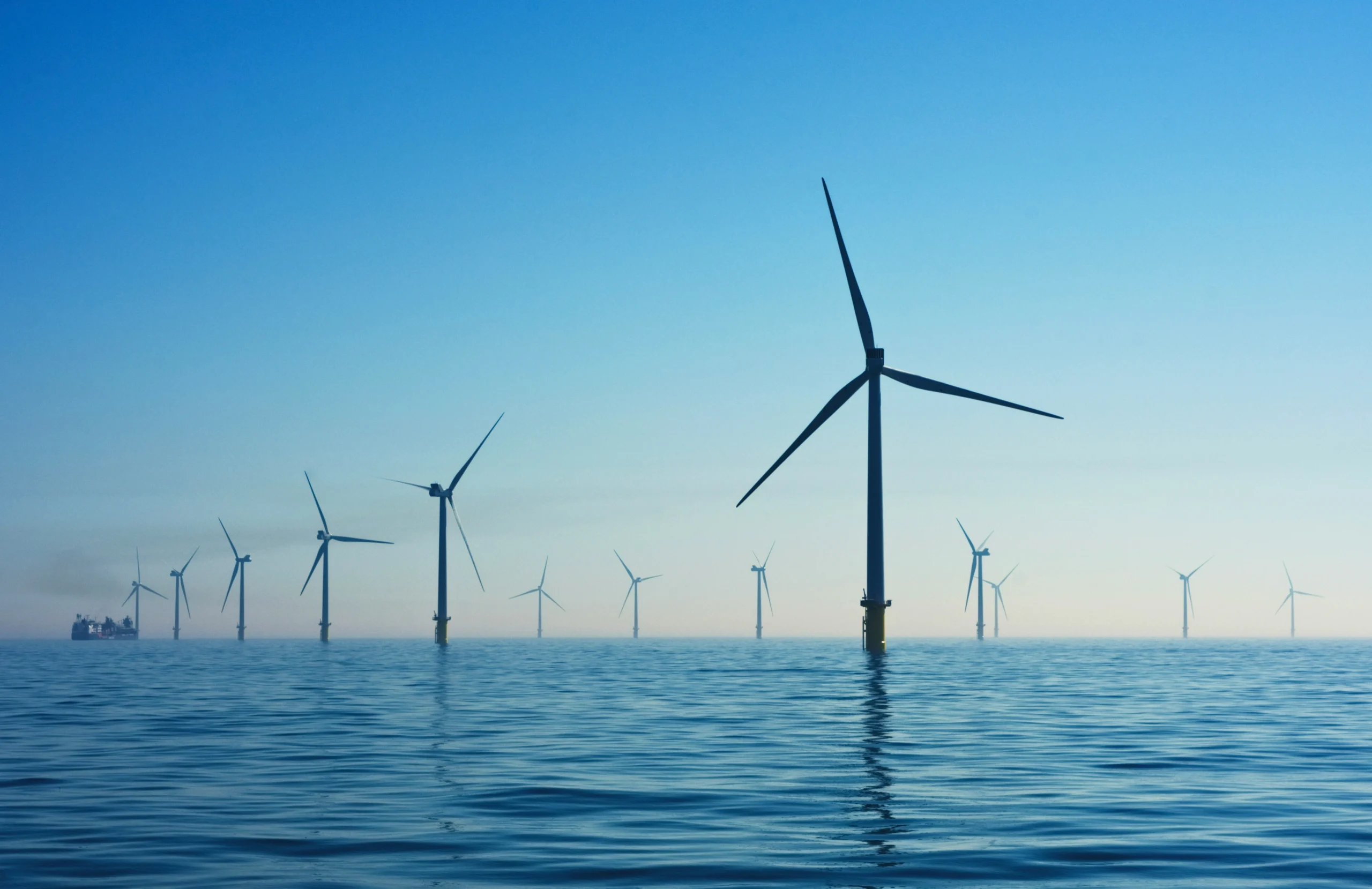
Electrification Is Redefining Industrial Competitiveness
The global electrification wave is having a direct impact on industrial costs and competitiveness.
In particular:
- Battery manufacturing
- Electric vehicle ecosystems
- Data centers
- Hydrogen projects
- High-tech manufacturing facilities
are all generating significantly higher and more continuous energy demand.
In Türkiye, the rapid growth of energy efficiency projects, rooftop solar installations, storage systems, and digital energy management investments within organized industrial zones reflects this transformation on the ground. Energy is no longer viewed merely as an operational expense; it is increasingly becoming one of the core competitive variables shaping production strategy itself.
TÜREK 2026 Put the New Era of Wind Energy on the Agenda
One of the most important gatherings of Türkiye’s wind energy ecosystem, the Türkiye Wind Energy Congress (TÜREK 2026), took place on May 12–13. The congress focused on clean energy investments, energy transition, grid integration, storage systems, and sustainability, while comprehensively evaluating the strategic role of wind energy within Türkiye’s energy portfolio.
Key themes included next-generation turbine technologies, domestic manufacturing capacity, investment opportunities, and the transformation of grid infrastructure. As electrification and storage investments accelerate across the energy sector, the critical role of wind energy in system flexibility and energy security was once again emphasized.
As TG Expo, we participated in TÜREK 2026 and had the opportunity to engage with industry representatives, investors, technology providers, and decision-makers on the next phase of the energy transition. The congress stood out as a major platform where collaborations within the clean energy ecosystem were strengthened and the sector’s future vision was shaped.
SMRs and the Search for Uninterrupted Power Are Opening a New Chapter
Small Modular Reactors (SMRs) are moving back to the top of the global agenda as the need for uninterrupted power supply grows for data centers and critical infrastructure.
Particularly in the United States, the growing tendency of major technology companies to invest directly in energy infrastructure is blurring the boundaries between the technology and energy sectors. Today, many technology companies are no longer just electricity consumers; they are becoming next-generation players investing directly in energy infrastructure. In this process, hybrid energy models combining natural gas, storage technologies, and SMRs are becoming increasingly prominent.
Follow All These Developments on a Single Platform: ICCI 2027
The energy sector is entering a new era shaped simultaneously by electrification, data centers, grid resilience, energy storage systems, and digitalization. The 30th ICCI – International Energy and Environment Fair and Conference will bring together the topics defining the sector’s transformation, from energy storage systems and grid technologies to digital energy solutions and next-generation generation infrastructure.
Taking place on January 20–22, 2027 at the Yenikapı Eurasia Show and Art Center, ICCI 2027 will gather manufacturers, investors, EPC companies, technology providers, and decision-makers to evaluate the future direction of the energy sector together.
Enerji sektörü Mayıs ayına, yalnızca teknoloji ve kapasite artışıyla değil; jeopolitik gelişmeler, tedarik zinciri rekabeti ve iklim ajandasıyla şekillenen çok katmanlı bir dönüşüm içinde giriyor.
Türkiye’nin COP31 başkanlığı sürecine girmesi, küresel enerji krizinin yeniden derinleşmesi ve kritik mineraller yarışının hızlanması, sektörün yeni denklemini netleştiriyor: Enerji artık yalnızca üretim değil; güvenlik, erişim ve dönüşümün birlikte yönetildiği bir alan. Yeni dönemde fark yaratan, bu üç alanı birlikte yönetebilenler olacak.
COP31 ve IEA Ortaklığı: İklim Ajandası ve Enerji Güvenliği Aynı Denklemde
Türkiye’nin COP31 başkanlığı kapsamında International Energy Agency ile imzaladığı stratejik ortaklık, enerji dönüşümünde uluslararası iş birliklerinin yeni bir faza geçtiğini gösteriyor.
Paris’te düzenlenen zirvede Murat Kurum, “krizi fırsata dönüştürmenin en kritik adımının temiz enerjiye geçişi hızlandırmak” olduğunu vurgularken; Fatih Birol ise İran savaşıyla tetiklenen süreci “tarihin en büyük enerji krizlerinden biri” olarak tanımladı.
Kasım ayında Antalya’da düzenlenecek COP31 öncesinde verilen bu mesajlar iki şeyi netleştiriyor:
- Enerji dönüşümü hızlanmak zorunda
- Enerji güvenliği artık bu dönüşümün ayrılmaz parçası
Karbonsuzlaşma ajandası ile enerji güvenliği ilk kez bu kadar güçlü şekilde aynı denklemde buluşuyor.
Kritik Mineraller: Enerji Dönüşümünün Görünmeyen Cephesi
Türkiye’nin açıklamaya hazırlandığı Kritik Ham Maddeler stratejisi ve Eskişehir Beylikova’daki nadir toprak elementleri projesi, enerji dönüşümünde yeni bir rekabet alanını işaret ediyor. Küresel tarafta ABD–AB iş birliği ile hızlanan tedarik zinciri hamleleri, bu alanın stratejik önemini daha da artırıyor. Enerji teknolojilerinde rekabet, artık yalnızca üretimde değil; hammaddede konumlanmayla belirleniyor.
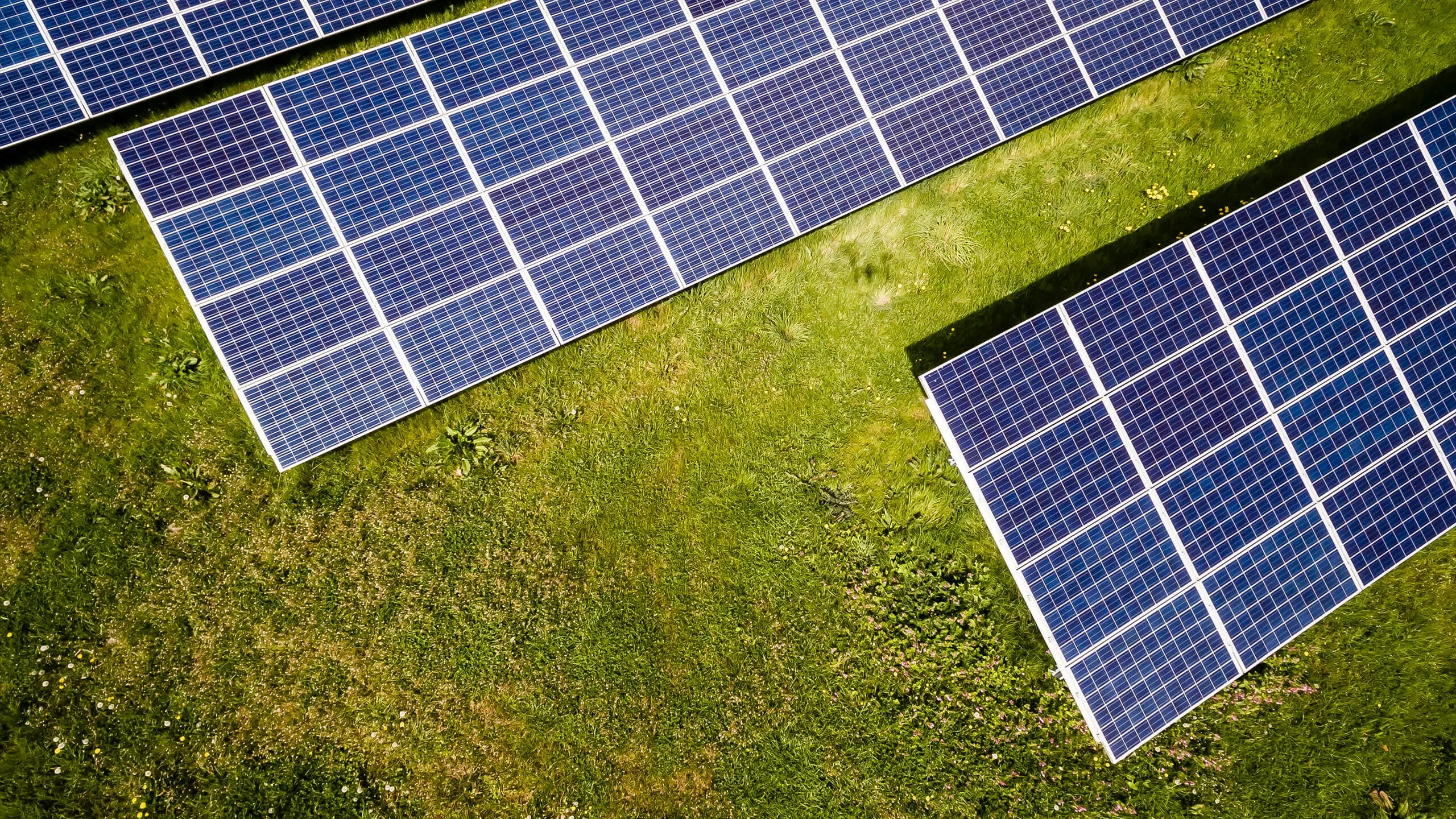
Enerji Güvenliği Geri Döndü: Hürmüz Krizi ve Piyasa Etkisi
Hürmüz Boğazı çevresinde süren gerilim yeni bir faza girerken, Birleşik Arap Emirlikleri’nin OPEC ve OPEC+ üyeliklerinden ayrılma kararı piyasalarda dengeleri yeniden şekillendiriyor. Barclays, kesintilerin uzama ihtimalini gerekçe göstererek 2026 Brent petrol tahminini 85 dolardan 100 dolara yükseltti. Aynı dönemde ABD–İran hattındaki gerilim ve müzakere sürecinin askıya alınması, arz tarafındaki belirsizliği artırıyor. Enerji dönüşümü hızlanırken, fosil yakıt piyasalarındaki riskler kısa vadeli dengeyi belirlemeye devam ediyor.
Avrupa’da Politika Değişimi: Kriz Müdahalesi ve Nükleer Geri Dönüş
Avrupa Komisyonu’nun İran savaşının tetiklediği fiyat artışlarına karşı elektrik vergisi indirimi ve gaz depolama koordinasyonu içeren paket açıklaması, piyasanın artık daha doğrudan politika araçlarıyla yönetildiğini gösteriyor. Mart 2026’da Ursula von der Leyen’in nükleer enerjiye yönelik söylem değişikliği ise daha yapısal bir dönüşüme işaret ediyor. Krizler kısa vadeli, ama enerji politikalarındaki yön değişimi kalıcı.
Türkiye’nin Enerji Konumu: Uluslararası Algı ve Makro Etki
The Guardian’ın Türkiye’nin enerji hamlesini Avrupa’nın önünde konumlandıran analizi, ülkenin enerji dönüşümünün uluslararası ölçekte nasıl okunduğunu ortaya koyuyor.Aynı dönemde Almanya’da büyüme beklentilerinin %1,3’ten %0,6’ya çekilmesi, enerji maliyetlerinin makro ekonomi üzerindeki etkisini net biçimde gösteriyor. Enerji politikası artık doğrudan ekonomik performans ve rekabet gücü belirleyicisi.
Yeni Enerji Mimarisi: Elektrifikasyon ve Küresel Açılım
Enerji ve Tabii Kaynaklar Bakanı Alparslan Bayraktar’ın enerji planlarının elektrifikasyon ve dijitalleşme merkezli revize edileceğini açıklaması, Türkiye’nin sistem tasarımında yeni bir faza geçtiğini gösteriyor. Aynı kapsamda Türkiye’nin ilk yurt dışı sondaj operasyonunun Somali açıklarında başlatılması, enerji stratejisinin küresel ölçekte genişlediğini ortaya koyuyor. Yeni enerji mimarisi; içeride entegrasyon, dışarıda kaynak erişimi üzerine kuruluyor.
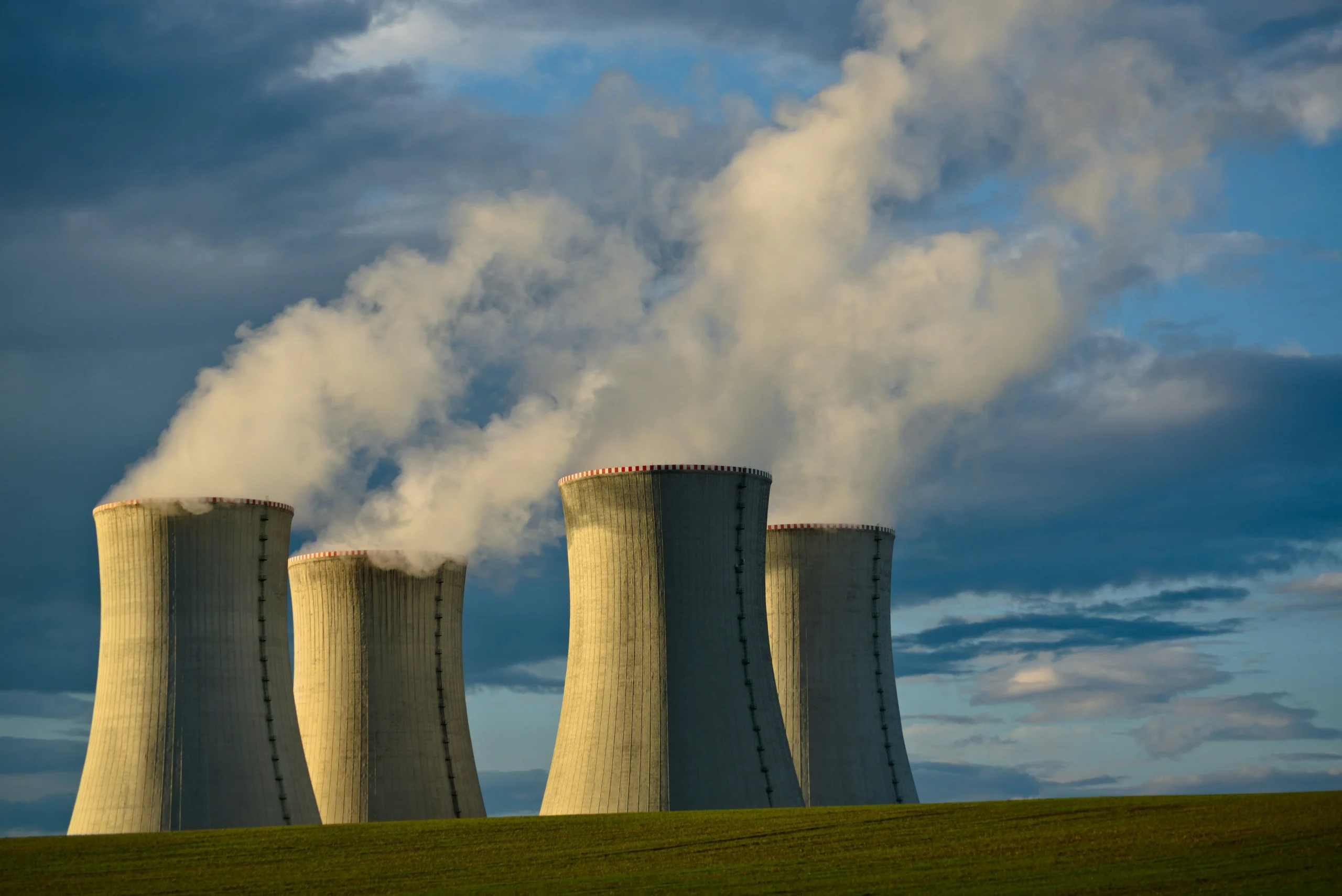
Sahada Yeni Uygulamalar: Yüzer GES ile Teknoloji Derinleşiyor
Smart Güneş Enerji Ekipmanları, 32 milyon euro tutarında özel üretim suda dayanıklı güneş paneli ve anahtar teslim yüzer GES kurulumu projesi için avans ödemesi aldı. Yüzer GES, Türkiye’nin yeni yatırım alanlarından biri olarak öne çıkıyor.
Makro Resim: Enerji Krizine Rağmen Üretim Dayanıklılığı
Nisan ayında ihracatın %22,3 artarak 25,4 milyar dolara ulaşması, enerji maliyetlerindeki baskıya rağmen üretim tarafındaki ivmenin sürdüğünü gösteriyor. Yıllıklandırılmış ihracatın 275,8 milyar dolar ile rekor seviyeye ulaşması, Türkiye’nin üretim kapasitesinin dayanıklılığını ortaya koyuyor. Enerji maliyetleri baskı yaratsa da, üretim gücü oyunda kalmayı sağlıyor.
Tüm Bu Başlıkları Aynı Platformda Takip Edin: ICCI 2027
Yenilenebilir enerji, enerji depolama sistemleri, şebeke ekipmanları, nükleer ekosistem ve yeşil hidrojen gibi dönüşüm başlıklarını; karar vericiler, üreticiler, EPC’ler ve çözüm sağlayıcılarla aynı zeminde bir araya gelmek için 30. ICCI — Uluslararası Enerji ve Çevre Fuarı ve Konferansı’nda buluşalım. 20–22 Ocak 2027 tarihlerinde Yenikapı Avrasya Gösteri ve Sanat Merkezi’nde; çözümleri sahada karşılaştırmak ve sektörün tüm bileşenlerini aynı çatı altında değerlendirebilmek için ziyaretinizi planlayın.