

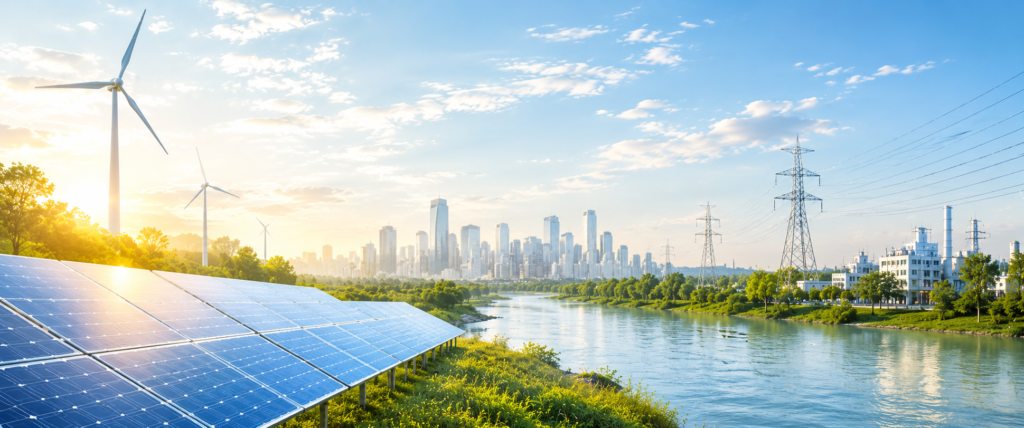
Türkiye’s renewable energy investment agenda is expanding with new capacity allocations and offshore wind projects, while across the Aegean, a new phase is beginning in which renewable energy investments are becoming an integral part of spatial planning.
On one side, Türkiye is moving beyond conventional onshore wind and solar investments and preparing for its first large-scale offshore wind tender. On the other, countries across the region are increasingly adopting long-term spatial planning frameworks to define where and under what conditions renewable energy facilities can be developed.
At the same time, large-scale energy investments are becoming increasingly intertwined with international climate diplomacy. The planned expansion of renewable energy cooperation between Türkiye and Saudi Arabia in connection with the COP31 process, together with China’s consideration of hosting COP33 in 2028, demonstrates that the energy transition is no longer solely about technology or electricity generation.
In this new phase, competition is increasingly being shaped by investment financing, maritime spatial planning, grid connections, domestic industrial capacity, energy diplomacy and long-term planning, alongside installed capacity.
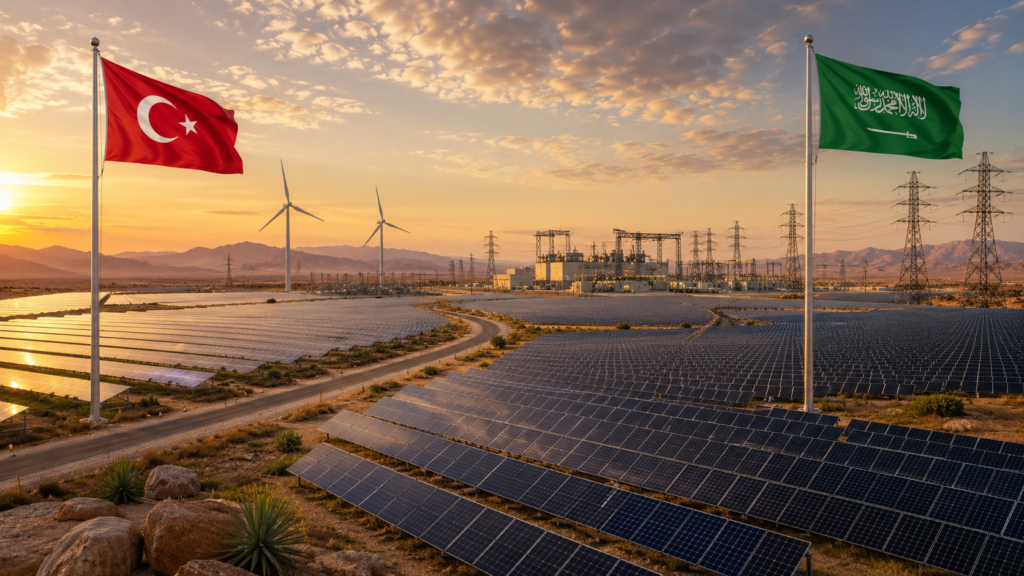
Türkiye–Saudi Arabia Energy Cooperation: An Additional 3 GW on the Agenda
International investment agreements are gaining greater importance in Türkiye’s strategy to expand its renewable energy capacity.
According to statements made by the Ministry of Energy and Natural Resources on 15 August 2026, an additional 3,000 MW of renewable energy capacity is planned within the framework of Saudi Arabian investments in Türkiye, on top of the previously agreed 2,000 MW of projects. This would bring the total renewable energy investment capacity under cooperation between the two countries to 5,000 MW.
Minister of Energy and Natural Resources Alparslan Bayraktar stated that the new 3,000 MW agreement is expected to progress in connection with the United Nations Climate Conference to be held in Antalya.
This development represents more than additional electricity generation capacity.
Gigawatt-scale projects have the potential to mobilise a broad value chain extending from solar modules and inverters to wind energy equipment, transformers, cable systems, EPC services, financing and grid infrastructure.
Particularly in large-scale international investments, project financing, localisation requirements, supply-chain capacity, grid infrastructure and investment schedules are becoming increasingly important factors that need to be managed together.
For Türkiye, the key question in the coming period will therefore not simply be how much new capacity is allocated. How quickly this capacity can be converted into operational projects, which technologies will be deployed and how much economic value these investments can create for the domestic energy industry will also be decisive.
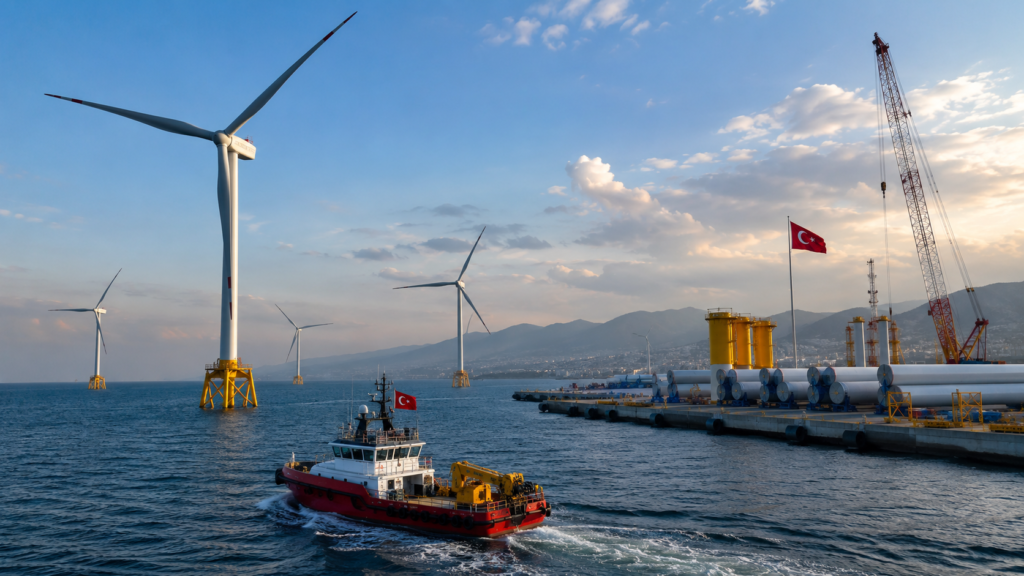
Türkiye Prepares for a New Offshore Wind Market
Offshore wind is emerging as one of the most significant new areas on Türkiye’s renewable energy agenda.
The Ministry of Energy and Natural Resources has identified four areas off the coasts of the Gulf of Saros, Gökçeada, Bozcaada and Edremit as candidate zones for offshore wind development. Türkiye’s first offshore wind YEKA tender is planned for the first quarter of 2027.
The government’s longer-term objective is to reach 5,000 MW of offshore wind capacity by 2035.
The draft tender specifications published in June were opened to stakeholder feedback, with the consultation period concluding on 17 August 2026. The Ministry is expected to use the feedback received during this process to shape the final tender model.
Offshore wind creates an economic and technological ecosystem that differs significantly from conventional onshore wind projects.
In addition to turbines, offshore foundations, floating platforms, subsea cables, high-voltage connection systems, offshore substations, port infrastructure, specialised installation vessels, maintenance services, remote monitoring technologies and advanced meteorological measurement systems all become part of the investment value chain.
Türkiye’s first offshore wind tender should therefore not be viewed solely as a new electricity generation project.
Depending on the scale of the project and the localisation model adopted, it has the potential to become a starting point for the development of an entirely new industrial and service ecosystem.
The Ministry also positions offshore wind as a strategic field not only for energy security but also for domestic industrial development and skilled employment.
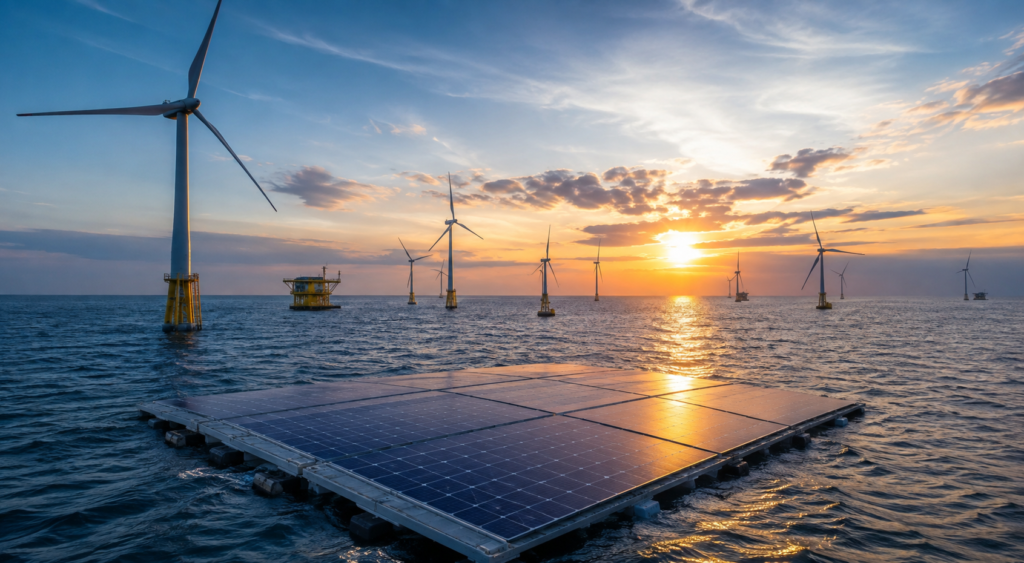
Seas Are Becoming a New Investment Area for the Energy Transition
As Türkiye prepares for offshore wind investments, Greece has also introduced a comprehensive new framework for the spatial planning of renewable energy investments. The new Special Spatial Framework for Renewable Energy Sources, which entered into force on 19 August 2026, updates the rules governing where and under what conditions new renewable energy facilities and energy storage projects can be developed. The new framework replaces the previous system that had been in place since 2008.
The approach is not limited to onshore wind and solar projects.Spatial criteria are also being established for energy investments in maritime areas. For floating photovoltaic applications, factors such as fishing zones, safety distances, diving areas, shipwrecks and other maritime activities are expected to be considered during project planning.
Greece’s long-term energy strategy also includes making more effective use of both onshore and offshore renewable energy potential, strengthening energy storage infrastructure and expanding electricity interconnections.
This development reflects a broader shift in renewable energy planning.
In the past, resource potential was often the primary factor determining where energy projects were developed. Today, grid connectivity, environmental restrictions, maritime transport, fisheries, tourism, local acceptance, energy storage and competing economic activities increasingly need to be evaluated together.
As offshore projects become more widespread, maritime spatial planning is likely to become an increasingly important component of energy policy.
Energy Planning in the Aegean Has Both Technical and Diplomatic Dimensions
The inclusion of the Aegean Sea within Greece’s new framework has also brought the regional and legal dimensions of energy planning back into focus.
In a statement issued on 19 August 2026, the Ministry of Foreign Affairs of the Republic of Türkiye stated that the framework announced by Greece would have no legal consequences for Türkiye in the context of the interconnected disputes between the two countries in the Aegean.
The Ministry also emphasised the importance of cooperation between coastal states in enclosed and semi-enclosed seas such as the Aegean and Mediterranean.
Greece, meanwhile, describes the new framework as a regulatory structure intended to establish clearer investment and permitting rules for renewable energy projects, strengthen environmental protection and enable the more effective use of the country’s onshore and offshore energy potential in line with its 2050 energy objectives.
This picture suggests that the energy transition in the Eastern Mediterranean and the Aegean will not progress solely through technological developments.
As offshore wind, floating solar, subsea electricity cables and cross-border interconnection projects expand, the relationship between energy policy, maritime planning and regional cooperation is likely to become increasingly important.
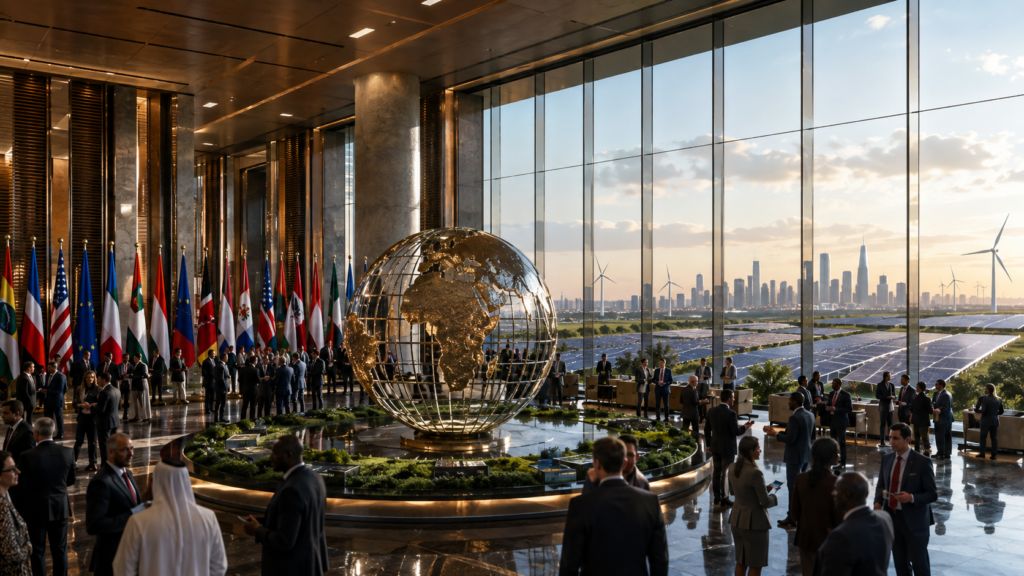
COP Summits Are Evolving into Platforms for Energy Diplomacy and Investment
The relationship between energy investments and climate diplomacy is also becoming more visible.
One notable example is the plan to advance an additional 3,000 MW of renewable energy cooperation between Türkiye and Saudi Arabia in connection with the COP31 process.
COP meetings are increasingly becoming more than forums for negotiating emission-reduction targets. They are also developing into platforms where intergovernmental energy agreements, investment programmes and technology partnerships gain international visibility.
Another indication of this trend has emerged from China.
According to reports published on 21 August 2026, the Chinese government is considering a potential bid to host COP33 in 2028. Discussions are reportedly still at an early stage, while India’s withdrawal in April 2026 from its previously announced hosting bid has created a new dynamic in the Asia-Pacific hosting process.
China’s potential candidacy has not yet been confirmed.
Nevertheless, the discussion itself demonstrates how global leadership in the energy transition is increasingly shaped not only by installed renewable energy capacity but also by climate diplomacy, industrial policy and international investment relations.
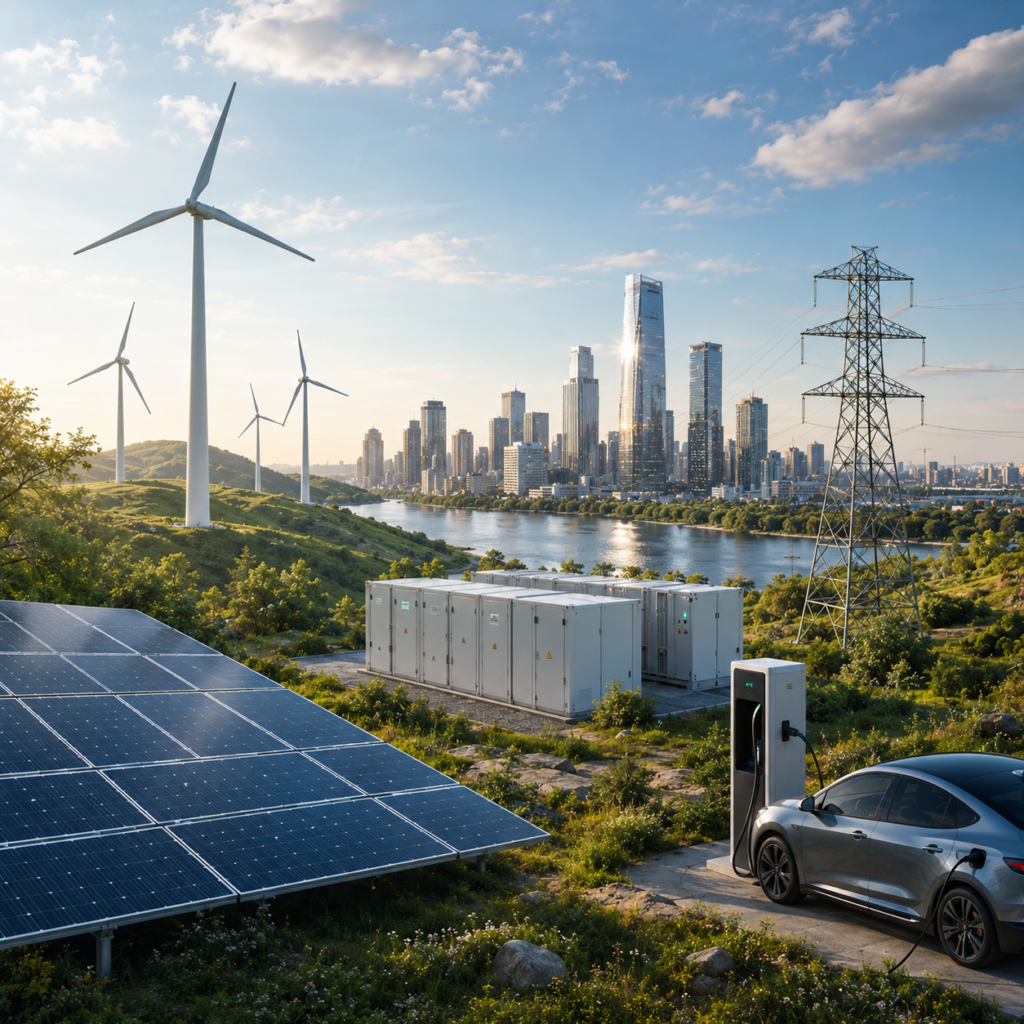
An Ecosystem Approach Is Emerging in New Energy Investments
Taken together, recent developments show that both the scale and structure of renewable energy investment are changing.
In Türkiye, new gigawatt-scale renewable energy agreements are expanding the investment pipeline, while offshore wind is opening a new technological and industrial market.
Greece’s updated spatial framework for renewable energy investments, meanwhile, illustrates how projects are increasingly being assessed together with environmental considerations, energy storage, maritime activity and grid infrastructure.
In the coming period, the cost of generation technology alone will no longer determine the competitiveness of an energy project.
Grid connection capacity, financing models, storage requirements, legal and spatial conditions, domestic manufacturing capability, port and logistics infrastructure, environmental impact and collaboration across different industries will become integral components of investment decisions.
The development of offshore wind in particular has the potential to bring energy producers, electrical equipment manufacturers, cable companies, EPC contractors, port operators, engineering firms, financial institutions, digital technology providers and energy storage companies together within the same value chain.
The New Energy Investment Value Chain Comes Together at ICCI
The transformation taking place across the energy sector increasingly requires different industries to work together — from renewable energy and offshore wind to electricity grids, energy storage, electrical equipment and digital energy management.
ICCI – International Energy and Environment Fair and Conference brings together energy producers, investors, public institutions, EPC companies, electrical equipment and technology manufacturers, financial institutions, industrial companies and energy solution providers around this evolving investment ecosystem.
Bringing renewable energy, wind technologies, energy storage, electricity transmission and distribution infrastructure, smart grids, digitalisation, energy efficiency, e-mobility and decarbonisation solutions onto the same platform, the 30th ICCI will connect energy professionals with the emerging investment and business opportunities across the entire energy value chain.
Discover the new investment opportunities shaping the energy transition at the 30th ICCI, taking place on 20–22 January 2027 at Yenikapı – Eurasia Show and Art Center.