
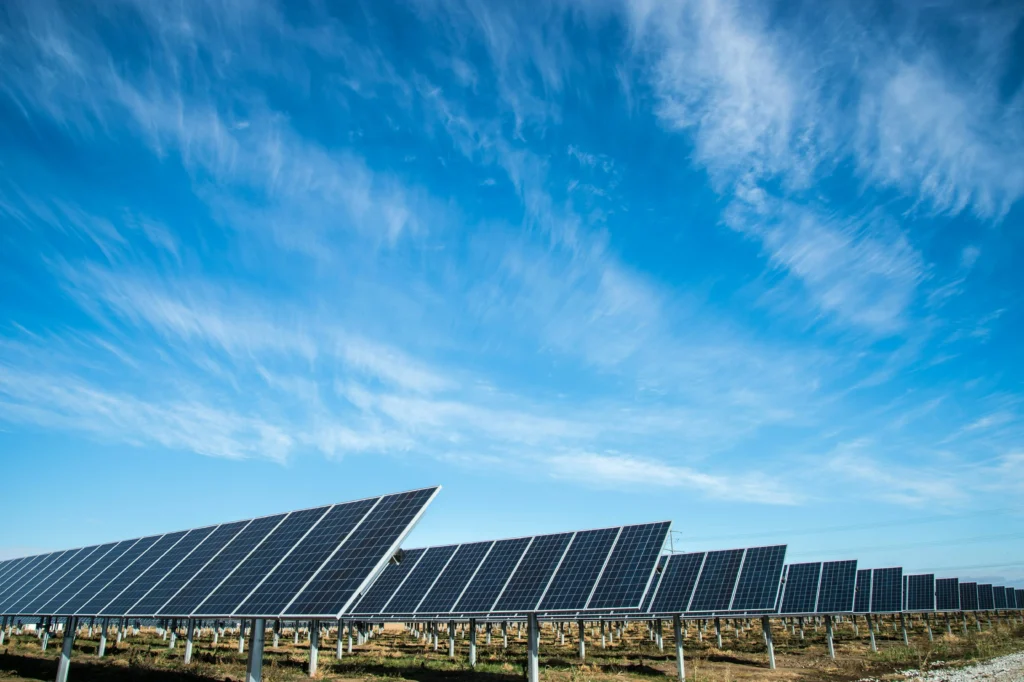
The global energy sector is entering a new era in 2026, one shaped not only by the energy transition, but also by energy security, digitalization, and infrastructure investments. The rapid increase in electricity demand driven by artificial intelligence, the growing strategic importance of grid investments, the resurgence of nuclear energy, and the expansion of energy storage technologies are redefining industry priorities. At the same time, geopolitical developments are prompting countries to take new measures to strengthen energy supply security.
In this edition of Energy Chronicle, we examine five critical developments that have recently emerged on the global and Turkish energy agenda and are expected to influence investment decisions and shape the future of the sector.
Artificial Intelligence Becomes the Energy Sector’s New Demand Driver
For decades, the growth of the energy sector was driven by industrial production, population growth, and electrification. However, as of 2026, a new center of demand has emerged: AI-powered data centers.
According to recent assessments by the International Energy Agency (IEA), global electricity consumption by data centers is expected to nearly double by 2030. As generative AI applications continue to expand, hundreds of megawatts of new data center campuses are being planned across the United States, Europe, and the Gulf region.
In the United States, data centers are projected to account for nearly 10% of total electricity consumption within the next few years. States such as Virginia, Texas, and Arizona are revisiting grid planning strategies, while utilities are accelerating investment programs for new natural gas plants, utility-scale solar projects, and energy storage facilities.
Gulf countries are also actively participating in this race. The United Arab Emirates and Saudi Arabia have placed AI-focused data center investments at the heart of their national development strategies and are reshaping their energy infrastructure accordingly.
In Türkiye, data center capacity is expected to grow rapidly in the coming years. The increasing concentration of data center investments, particularly in Istanbul, will create a new electricity demand profile. This trend will highlight not only generation investments but also grid modernization, energy storage solutions, and flexible generation technologies.
The energy sector must now meet the needs not only of factories, but also of algorithms.
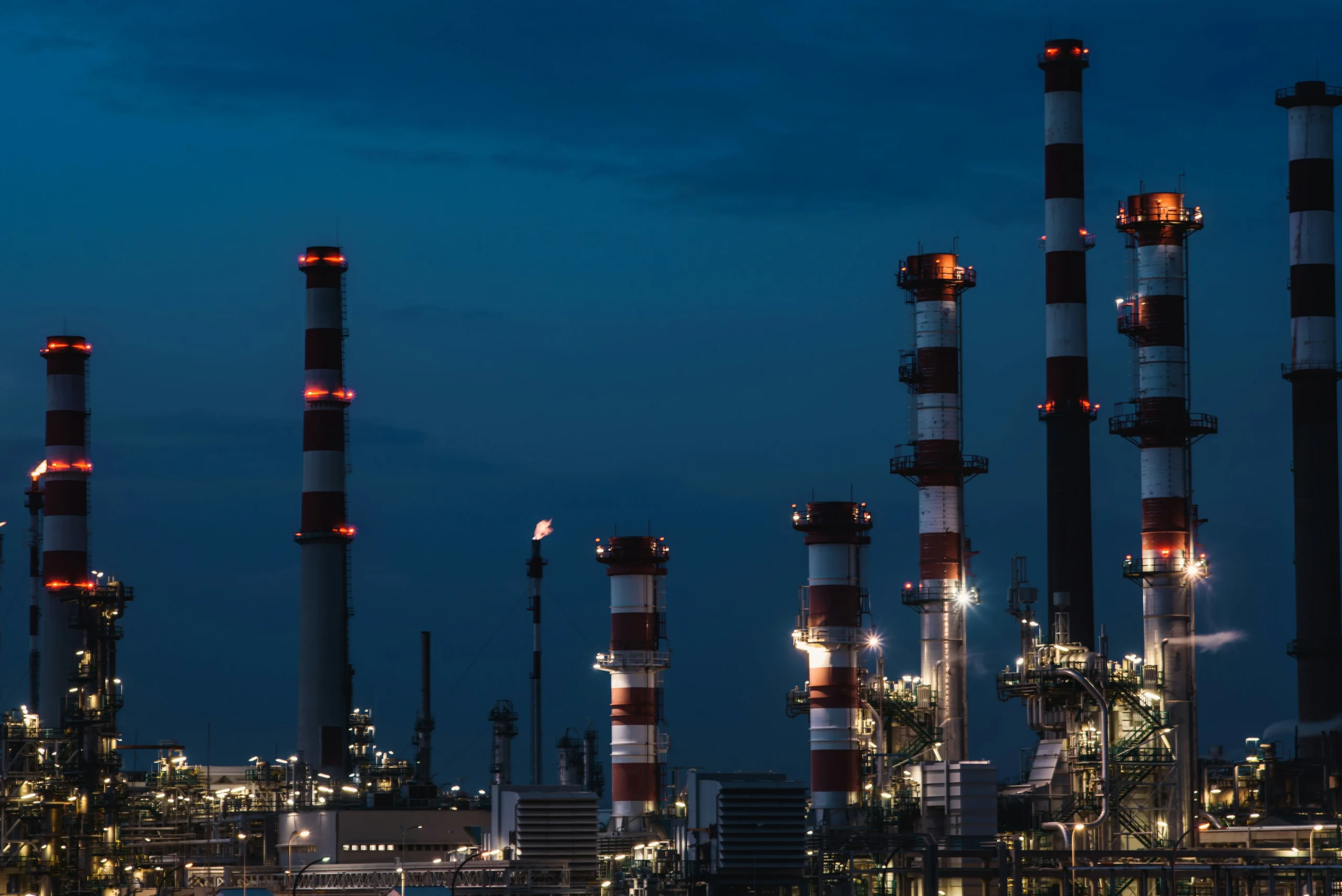
The New Bottleneck of the Energy Transition: Power Grids
While renewable energy investments have reached record levels in recent years, the industry is facing a new reality: generating electricity alone is no longer enough.
In many countries, the challenge is no longer generation capacity, but rather the ability to connect and transmit that energy through the grid.
Across the European Union, the total capacity of renewable energy projects awaiting grid connection has reached thousands of gigawatts. In countries such as Germany, the United Kingdom, and the Netherlands, project developers often face years-long waits for grid connection approvals.
Data centers are adding further pressure to electricity networks. As AI applications become increasingly widespread, energy-intensive data centers are stretching the limits of existing transmission and distribution infrastructure.
A similar picture is emerging in Türkiye. Rapid growth in solar and wind investments has created a need for additional transmission capacity. As the country’s installed power capacity exceeds 125 GW and renewable sources account for more than 60% of total installed capacity, the need for grid expansion becomes increasingly apparent.
To sustain this growth, investments in new transmission lines, digital grid applications, energy storage systems, and smart grid technologies are becoming critical.
The success of the energy transition will no longer be measured solely by how many megawatts are generated, but by how effectively that energy is integrated into the system.
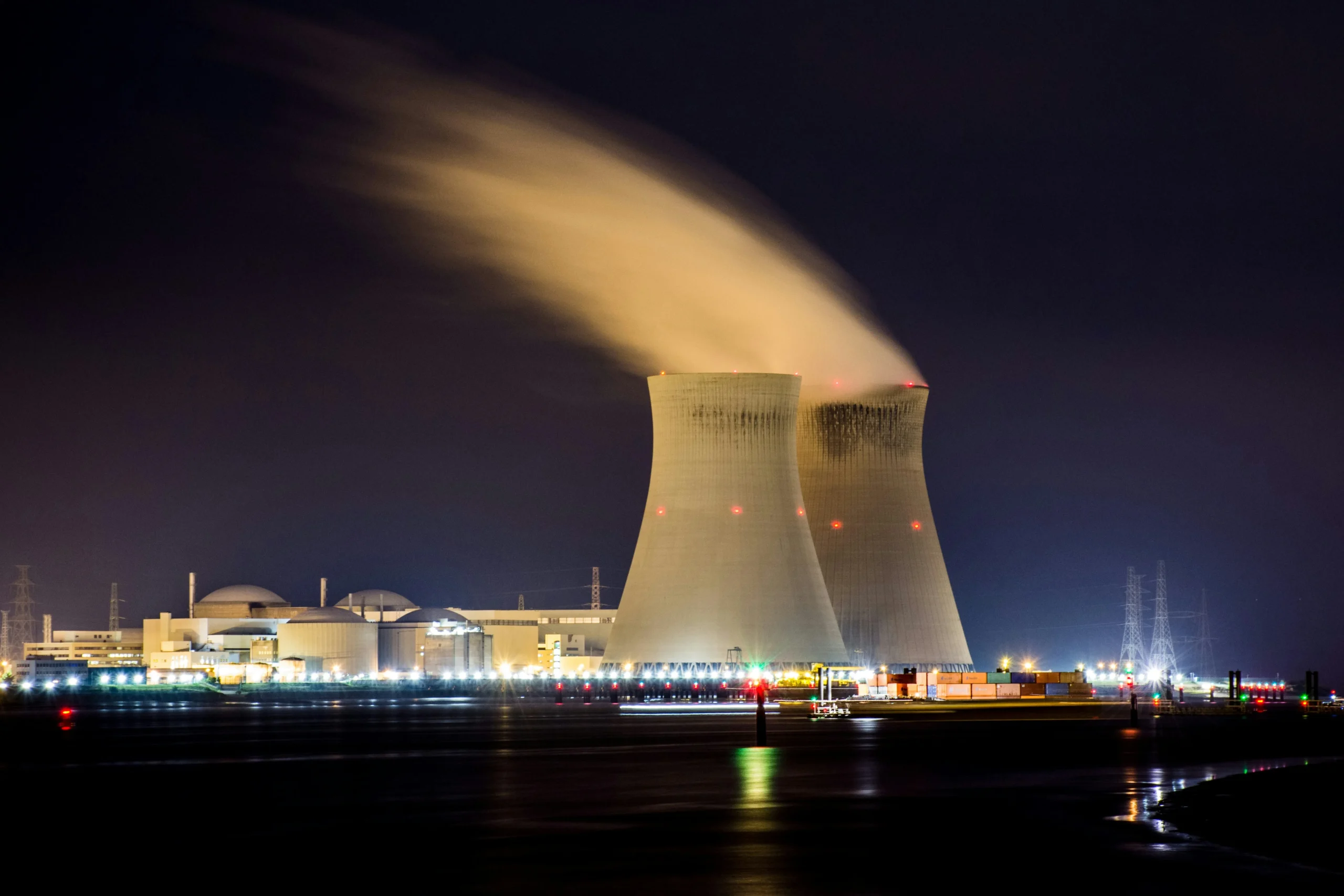
Is Nuclear Energy Entering a New Growth Cycle?
Once considered likely to remain outside the energy transition, nuclear power has returned to the center of the global energy agenda.
The need for carbon-free baseload generation, concerns over energy security, and rising electricity demand driven by artificial intelligence are encouraging many countries to reassess nuclear investments.
Today, approximately 440 nuclear reactors are operating worldwide, while more than 60 new reactors are under construction. China, India, and South Korea continue to accelerate new capacity investments, while political attitudes toward nuclear energy are shifting noticeably across Europe.
One of the most significant recent developments is the growing interest in Small Modular Reactors (SMRs). Due to their lower capital costs and shorter construction timelines, governments and technology companies alike are increasingly turning their attention to this field.
The fact that major data center operators are evaluating direct electricity procurement models from nuclear energy sources is regarded as an important indicator of the sector’s future direction.
In Türkiye, efforts continue toward commissioning the first unit of the Akkuyu Nuclear Power Plant, while discussions regarding second and third nuclear power plant projects remain ongoing.
In the coming years, Türkiye is expected to define its position not only regarding large-scale reactors but also concerning next-generation modular nuclear technologies.
Are Energy Storage Technologies Becoming the Key to Renewable Energy?
For many years, investment decisions in the energy sector focused primarily on generation capacity. Today, however, the key question has changed:
Instead of asking, “When will we generate electricity?”, investors are increasingly asking, “When will we use the electricity we generate?”
This shift is placing energy storage at the center of the energy transition.
According to BloombergNEF, global installed energy storage capacity is expected to multiply significantly in the coming years. Falling lithium-ion battery costs are making large-scale storage projects increasingly attractive from an economic perspective.
The United States, China, and Europe currently represent the largest energy storage markets. China alone accounts for a substantial share of global storage capacity, while in the United States, most new solar projects are now planned together with battery storage systems.
Türkiye is also experiencing a remarkable transformation in this field. Recently announced storage-integrated renewable energy projects demonstrate the strong investment appetite within the market.
In the new energy landscape, the competitiveness of energy projects will depend not only on generation capacity but also on storage capabilities.
For this reason, energy storage technologies are widely regarded as one of the most critical investment areas of the coming decade.
From Energy Transition to Energy Security: Are Priorities Shifting?
In recent years, the primary focus of the energy sector was achieving net-zero targets and reducing carbon emissions. However, global developments in 2026 have brought energy security back to the forefront.
Rising geopolitical tensions in the Middle East, developments around the Strait of Hormuz, and risks affecting LNG trade routes are once again drawing the attention of energy markets.
Approximately 20% of global oil trade passes through the Strait of Hormuz, making every development in the region highly influential on energy prices.
Following the Russia–Ukraine war, European countries have been redesigning their energy security strategies, increasing investments in LNG terminals, natural gas storage facilities, and alternative supply sources.
Türkiye, meanwhile, continues to strengthen its role as a regional energy corridor thanks to its strategic geographic location. Infrastructure projects such as TANAP, TurkStream, and LNG investments remain key pillars supporting the country’s ambition to become a regional energy hub.
Today, a new balance is emerging in energy policymaking. While decarbonization goals remain important, countries are also prioritizing continuity of supply and system reliability.
The new question facing the energy sector is clear:
Can energy systems be clean, affordable, and secure at the same time?
The energy agenda of 2026 is increasingly being shaped by the search for an answer to this question.
Follow All These Developments on a Single Platform: ICCI 2027
The energy sector is undergoing a profound transformation driven by electrification, data centers, grid resilience, energy storage systems, and digitalization. From energy trading and interconnection projects to natural gas infrastructure and electricity corridors, all the topics shaping the future of the industry will come together at the 30th ICCI – International Energy and Environment Fair and Conference, Türkiye’s largest energy gathering that unites all stakeholders under one roof.
Taking place on 20–22 January 2027 at the Yenikapı Eurasia Show and Art Center, ICCI 2027 will bring together energy producers, transmission and distribution companies, technology providers, investors, and decision-makers to discuss the sector’s next chapter.
Join ICCI 2027 to stay ahead of the developments shaping the future of energy and to build valuable new business partnerships.