
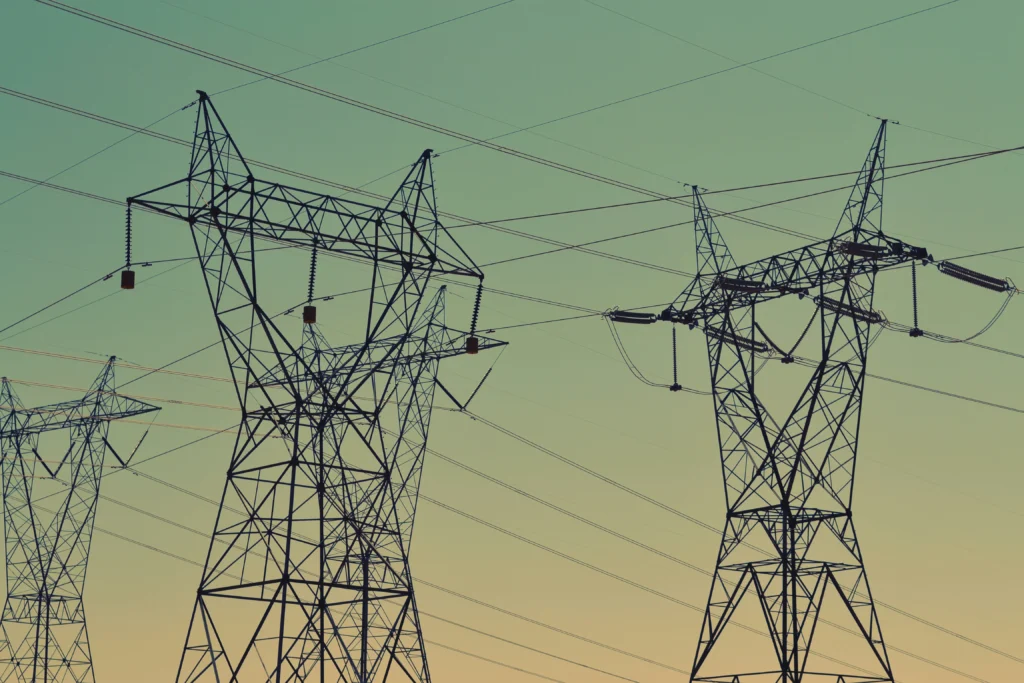
For many years, the energy sector was shaped primarily by production capacity, resource diversification, and security of supply. Recent developments in global energy markets, however, have significantly broadened the industry’s focus. Today, countries are competing not only in energy generation but also in how energy is transported across borders, how trade corridors are established, and how regional energy flows are managed.
Türkiye’s recent energy diplomacy initiatives, including the proposed new electricity corridor with Azerbaijan, long-term evaluations regarding the transportation of Turkmen natural gas to regional markets and Europe via Türkiye, and investments in interconnection infrastructure aimed at strengthening Europe’s energy security, demonstrate that connectivity infrastructure is becoming increasingly strategic within the energy sector. This transformation suggests that competitive advantage in energy is no longer determined solely by generation capacity, but also by the strength of the infrastructure that enables energy trade.
Electricity Corridors Are Emerging as a New Instrument of Energy Trade
One of the most notable recent developments is the new approach to electricity transmission and trading links between Türkiye and Azerbaijan. According to statements from the Ministry of Energy and Natural Resources, efforts are underway to develop new interconnection and transmission models that could support regional electricity trade, similar to the role TANAP has played in natural gas transportation.
On a global scale, analyses by the World Bank and the International Energy Agency (IEA) indicate that regions with strong cross-border electricity trade can benefit from:
- System costs that may be 10–20% lower under certain scenarios;
- Renewable energy integration that can be up to 10–25% more efficient in specific markets.
In Europe, existing interconnection infrastructure increases both cross-border electricity trading capacity and grid flexibility. The European Union considers further strengthening this capacity by 2030 a strategic priority. As renewable energy investments continue to grow, electricity trading is entering a new phase. Countries with high solar and wind generation capacity are increasingly focusing on infrastructure that enables surplus electricity to be exported to neighboring markets.
This trend is creating new opportunities that support:
- Cross-border electricity trade;
- Transmission infrastructure investments;
- Energy security;
- Regional energy integration;
- The deepening and expansion of energy markets.
Interconnection Investments Remain High on Europe’s Agenda
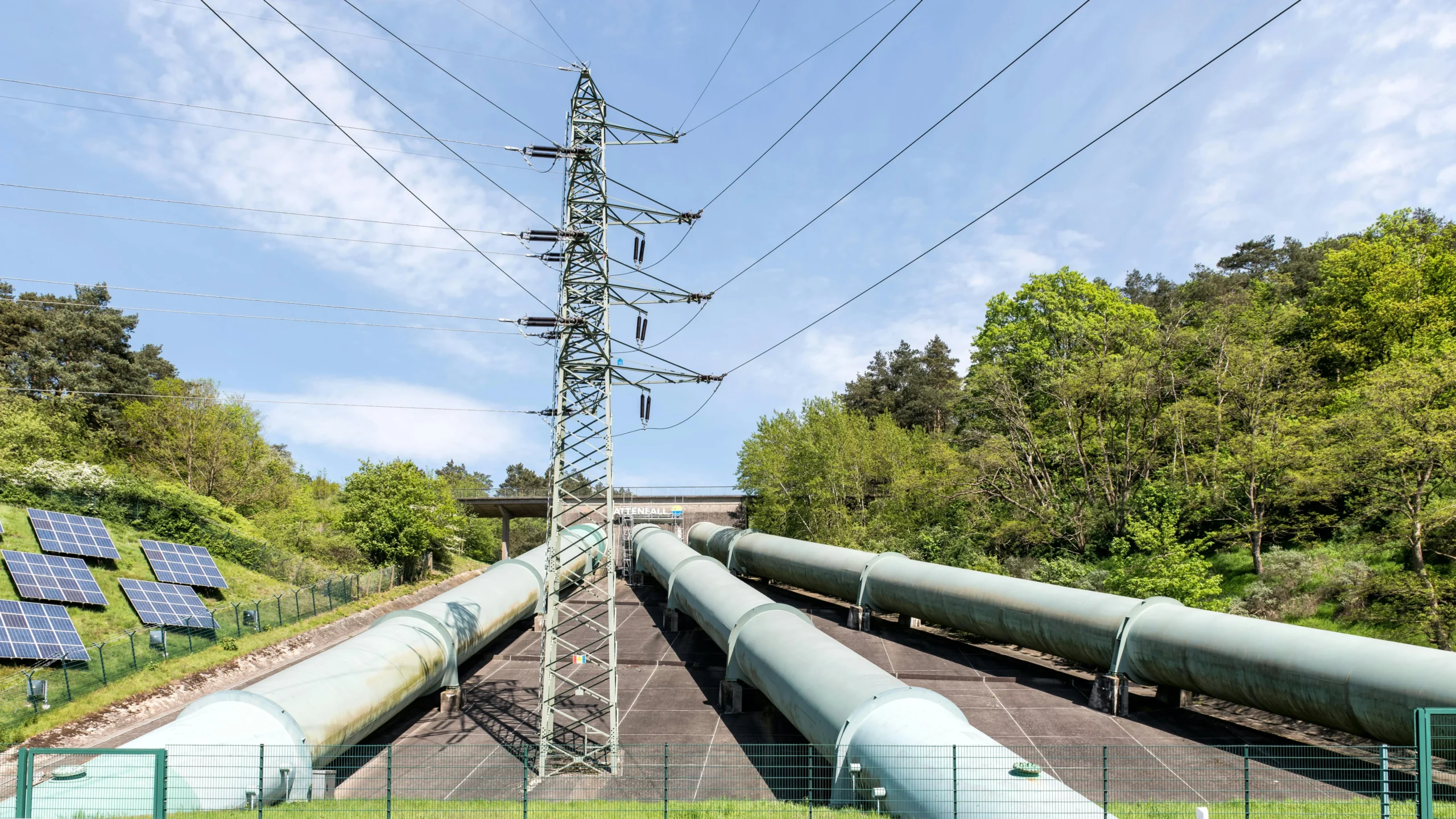
The price volatility and supply security concerns experienced in European energy markets in recent years have further highlighted the importance of cross-border electricity connections. To strengthen energy security and accelerate renewable energy integration, the European Union has made interconnection projects a strategic priority.
Today, energy security for many European countries is measured not only by domestic generation capacity but also by the strength of their electricity links with neighboring nations.
Through interconnection investments, countries can:
- Enhance security of supply;
- Reduce price volatility;
- Facilitate renewable energy integration;
- Expand electricity trading volumes.
As energy systems become increasingly interconnected, transmission infrastructure is emerging as one of the most critical pillars of the energy transition.
Regional Natural Gas Trade and Türkiye’s Strategic Position
Alongside developments in electricity trade, regional natural gas networks are also being reshaped. Long-term assessments regarding the transportation of Turkmen natural gas to Türkiye—and potentially onward to other markets—as well as capacity expansion efforts along existing gas corridors, are among the key factors supporting Türkiye’s ambition to become a regional energy hub.
Today, Türkiye offers:
- LNG and FSRU infrastructure: Five active entry points (including onshore terminals and floating storage and regasification units) with approximately 161 million Sm³/day regasification capacity;
- Underground natural gas storage: Approximately 5.8 billion Sm³ of total storage capacity through the Silivri and Lake Tuz facilities;
- International pipeline connections: Major supply routes from Russia, Azerbaijan, and Iran;
- Strategic geographic location: A natural energy transit corridor linking Europe, the Middle East, the Caucasus, and Central Asia.
Becoming a hub in energy trade involves far more than serving as a physical transit route. It also requires playing an active role in price formation, trading volumes, and the management of regional energy flows.
Energy Diplomacy Is Shaping New Investment Opportunities
Investment decisions in the energy sector are increasingly influenced not only by technical and economic considerations but also by regional cooperation, international agreements, and energy diplomacy dynamics.
The growing importance of energy security, supply diversification, and regional integration is creating new opportunities in areas such as:
- Transmission systems;
- High-voltage infrastructure;
- Substations;
- Energy storage solutions;
- Digital energy trading platforms.
As a result, energy technologies and infrastructure investments are becoming more strategic than ever before.
The New Competitive Advantage: Connecting Energy, Not Just Producing It
Competition in the energy sector is no longer defined solely by the ability to generate more energy. Increasingly, success depends on the ability to transport energy safely, efficiently, and reliably across markets.
Electricity corridors, interconnection projects, natural gas trading networks, and energy diplomacy will continue to be among the key forces shaping growth and development in the energy sector in the years ahead.

Follow All These Developments on a Single Platform: ICCI 2027
The energy industry is undergoing a profound transformation driven by electrification, data centers, grid resilience, energy storage systems, and digitalization. From energy trade and interconnection projects to natural gas infrastructure and electricity corridors, all the topics shaping the future of the industry will come together at the 30th ICCI – International Energy and Environment Fair and Conference, Türkiye’s largest gathering of energy stakeholders.
Taking place on 20–22 January 2027 at the Yenikapı Eurasia Show and Art Center, ICCI 2027 will bring together energy producers, transmission and distribution companies, technology providers, investors, and decision-makers to discuss the next chapter of the energy sector.
Join ICCI 2027 to stay informed about the developments shaping the future of energy and to explore new business and partnership opportunities across the industry.