
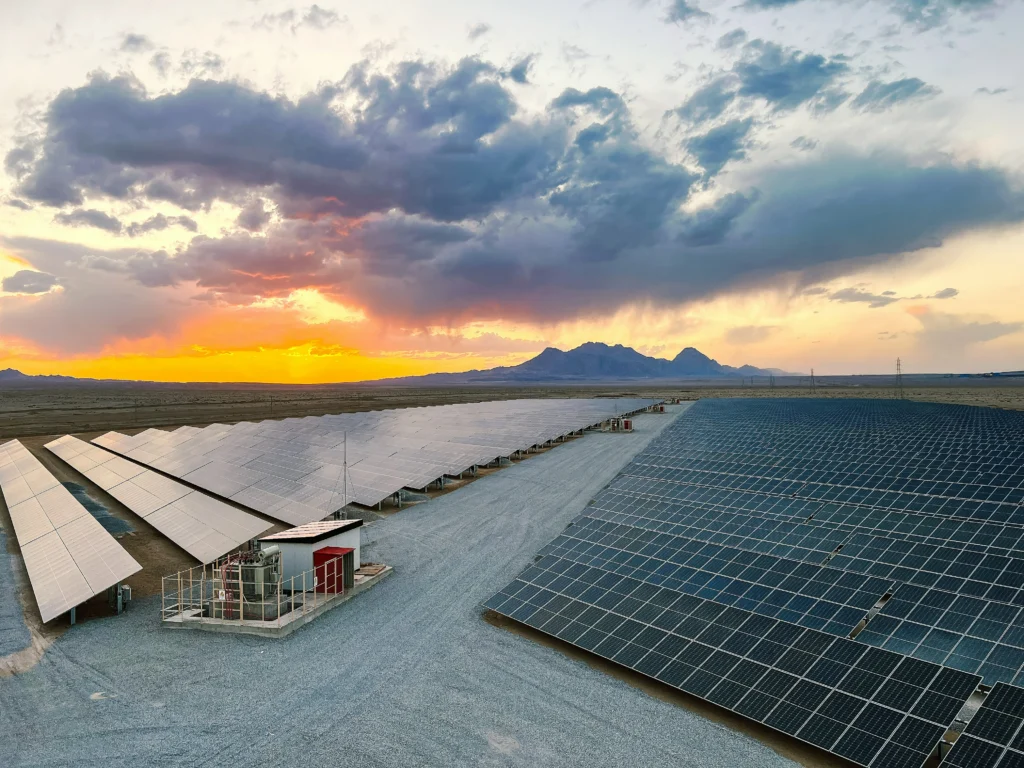
The energy sector is entering 2026 driven not only by renewable capacity growth, but also by accelerating electrification, the rapidly increasing energy demand of AI-powered data centers, the scaling of energy storage investments, and mounting pressure on grid security. As of 2026, Türkiye’s total installed electricity capacity has reached the 123–125 GW range, while the combined share of solar and wind power in total installed capacity has risen to 33%. The overall share of renewable energy sources has now exceeded 62%.
Globally, according to projections by the International Energy Agency (IEA), electricity consumption by data centers is expected to more than double by 2030, reaching approximately 1,000 TWh. In this new phase, competition is no longer limited to energy generation alone; it now revolves around how electricity is transmitted, balanced, stored, and managed without interruption.
Electricity Demand and Installed Capacity Are Growing Simultaneously in Türkiye
Türkiye’s energy ecosystem is experiencing one of the fastest capacity expansion periods in recent years. By 2026, total installed electricity capacity has reached the 123–125 GW range, while the combined capacity of solar and wind energy has surpassed 40 GW. This growth demonstrates that renewable energy sources are no longer merely alternatives, but have become one of the main pillars of the energy system.
However, the most striking aspect of this transformation is no longer just capacity growth, but the structural change in electricity demand itself. Investments in electric vehicles, electrification projects in organized industrial zones, energy-intensive manufacturing facilities, and data center developments are all increasing Türkiye’s baseload power demand.
In particular, new high-consumption grid connection requests are making issues such as grid capacity and system flexibility far more visible within the energy sector. This reveals a new reality: the key question is no longer “how much capacity can be installed,” but rather how flexibly, efficiently, and reliably the system can deliver electricity.

Data Centers Are Becoming the Energy Sector’s New Major Consumer
According to the latest analyses by the International Energy Agency (IEA), global data center electricity consumption, currently around 460 TWh, is expected to more than double by 2030, reaching nearly 1,000 TWh. This represents an entirely new energy demand equivalent to Japan’s current annual electricity consumption.
The rapid expansion of generative AI technologies is transforming data centers from purely digital infrastructure into strategic energy consumers. Large-scale AI systems require not only high processing power, but also uninterrupted energy access, strong grid connectivity, and highly reliable power infrastructure.
This transformation is creating new investment opportunities not only in the US and Europe, but also in Türkiye. The accelerating wave of data center investments in Türkiye is generating fresh demand across energy infrastructure, transformer systems, UPS solutions, microgrid applications, and backup power systems.
Key investment areas include:
- High-voltage connection infrastructure
- Data center-focused microgrid systems
- Grid-scale battery storage solutions
- UPS and uninterrupted power infrastructure
- Transformer and power electronics investments
- Cooling and energy efficiency technologies
In brief, data centers are no longer solely a technology sector issue; they are rapidly becoming one of the energy sector’s new growth engines.
Grids Are Emerging as the New Bottleneck
As renewable energy capacity expands, the center of gravity in energy systems is shifting from generation to integration. Across many regions in Europe and the United States, the primary limiting factor for new solar and wind projects is no longer generation investment itself, but grid connection and transmission capacity. A similar trend is becoming increasingly visible in Türkiye.
In particular, the following areas are becoming critical components of energy investments:
- Connection capacity
- Transmission infrastructure
- Frequency management
- System flexibility
- Power quality
The recent focus of the World Bank and European financial institutions on HVDC and grid modernization investments further supports this transition.
Key focus areas in this new phase include:
- HVDC transmission projects
- Smart grid systems
- Demand response applications
- EMS/BMS software infrastructure
- Inverter and power electronics ecosystems
- Digital grid management solutions
The value of an energy system is now measured not only by megawatt capacity, but by how flexibly, digitally, and resiliently the system can be managed.
Energy Storage Systems Are Reaching a New Scale in 2026
Türkiye’s energy storage ecosystem is entering a new era, moving beyond the discussion phase into real-world implementation. The total scale of storage-linked projects has now surpassed 30 GW. Throughout 2026, hybrid and standalone storage projects totaling several thousand megawatts are expected to move into the physical investment stage.
The significance of this growth goes far beyond simple capacity expansion; it reflects a transformation in the role of storage within the energy system itself.
Battery systems are now becoming active operational assets in areas such as:
- Frequency regulation
- Ancillary services
- Peak load management
- Demand optimization
- Grid flexibility
At the same time, competition within the sector is evolving. While battery cell costs dominated the early stages, today the real competition centers around:
- Integration capabilities
- Software management
- Fire safety
- Thermal control
- Performance optimization
- Grid compatibility
This shift is creating an entirely new supply chain economy in areas such as inverters, EMS/BMS systems, testing and certification, and power electronics.
Electrification Is Redefining Industrial Competitiveness
The global electrification wave is having a direct impact on industrial costs and competitiveness.
In particular:
- Battery manufacturing
- Electric vehicle ecosystems
- Data centers
- Hydrogen projects
- High-tech manufacturing facilities
are all generating significantly higher and more continuous energy demand.
In Türkiye, the rapid growth of energy efficiency projects, rooftop solar installations, storage systems, and digital energy management investments within organized industrial zones reflects this transformation on the ground. Energy is no longer viewed merely as an operational expense; it is increasingly becoming one of the core competitive variables shaping production strategy itself.
TÜREK 2026 Put the New Era of Wind Energy on the Agenda
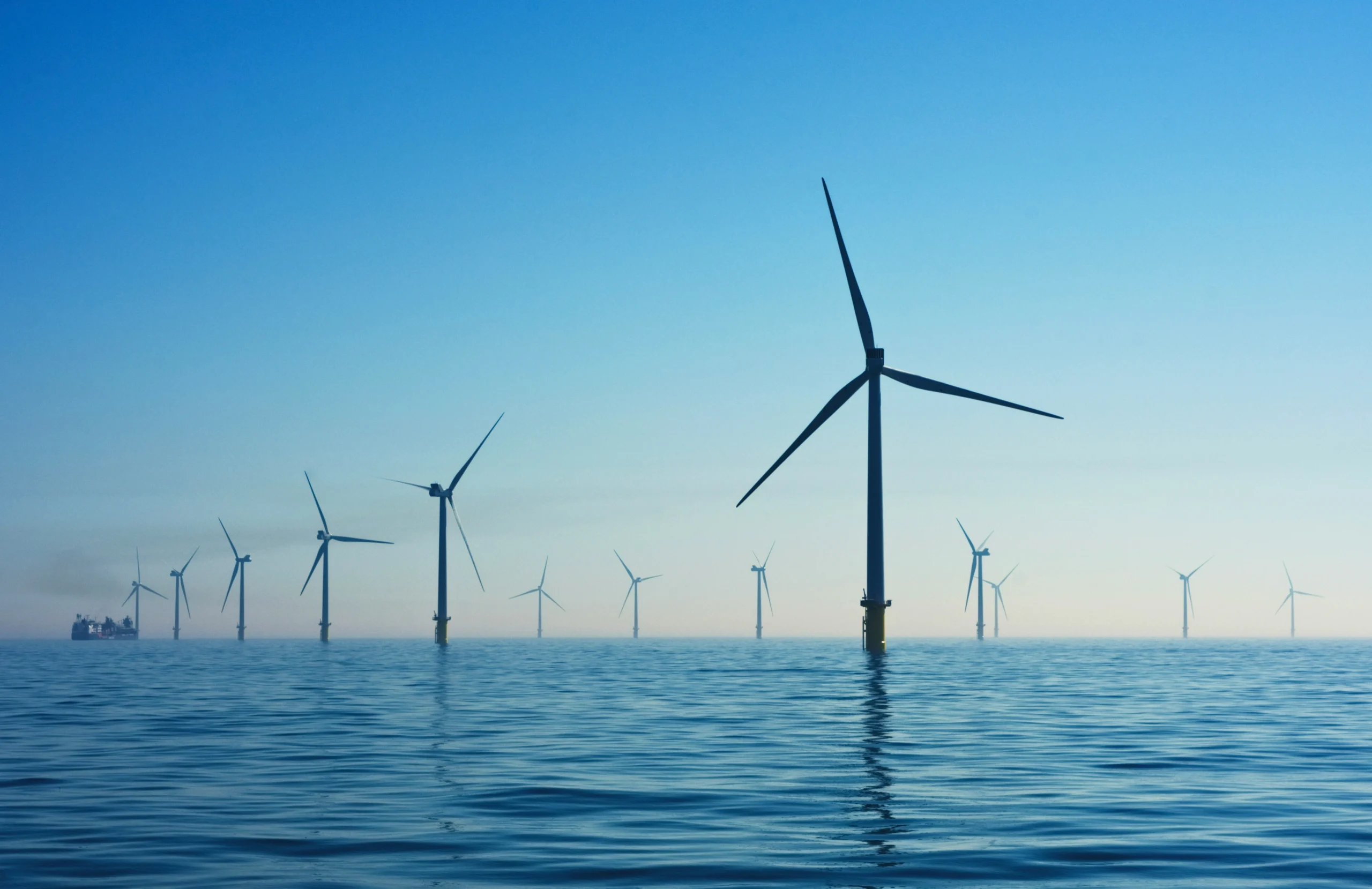
One of the most important gatherings of Türkiye’s wind energy ecosystem, the Türkiye Wind Energy Congress (TÜREK 2026), took place on May 12–13. The congress focused on clean energy investments, energy transition, grid integration, storage systems, and sustainability, while comprehensively evaluating the strategic role of wind energy within Türkiye’s energy portfolio.
Key themes included next-generation turbine technologies, domestic manufacturing capacity, investment opportunities, and the transformation of grid infrastructure. As electrification and storage investments accelerate across the energy sector, the critical role of wind energy in system flexibility and energy security was once again emphasized.
As TG Expo, we participated in TÜREK 2026 and had the opportunity to engage with industry representatives, investors, technology providers, and decision-makers on the next phase of the energy transition. The congress stood out as a major platform where collaborations within the clean energy ecosystem were strengthened and the sector’s future vision was shaped.
SMRs and the Search for Uninterrupted Power Are Opening a New Chapter
Small Modular Reactors (SMRs) are moving back to the top of the global agenda as the need for uninterrupted power supply grows for data centers and critical infrastructure.
Particularly in the United States, the growing tendency of major technology companies to invest directly in energy infrastructure is blurring the boundaries between the technology and energy sectors. Today, many technology companies are no longer just electricity consumers; they are becoming next-generation players investing directly in energy infrastructure. In this process, hybrid energy models combining natural gas, storage technologies, and SMRs are becoming increasingly prominent.
Follow All These Developments on a Single Platform: ICCI 2027
The energy sector is entering a new era shaped simultaneously by electrification, data centers, grid resilience, energy storage systems, and digitalization. The 30th ICCI – International Energy and Environment Fair and Conference will bring together the topics defining the sector’s transformation, from energy storage systems and grid technologies to digital energy solutions and next-generation generation infrastructure.
Taking place on January 20–22, 2027 at the Yenikapı Eurasia Show and Art Center, ICCI 2027 will gather manufacturers, investors, EPC companies, technology providers, and decision-makers to evaluate the future direction of the energy sector together.